Skip to product information
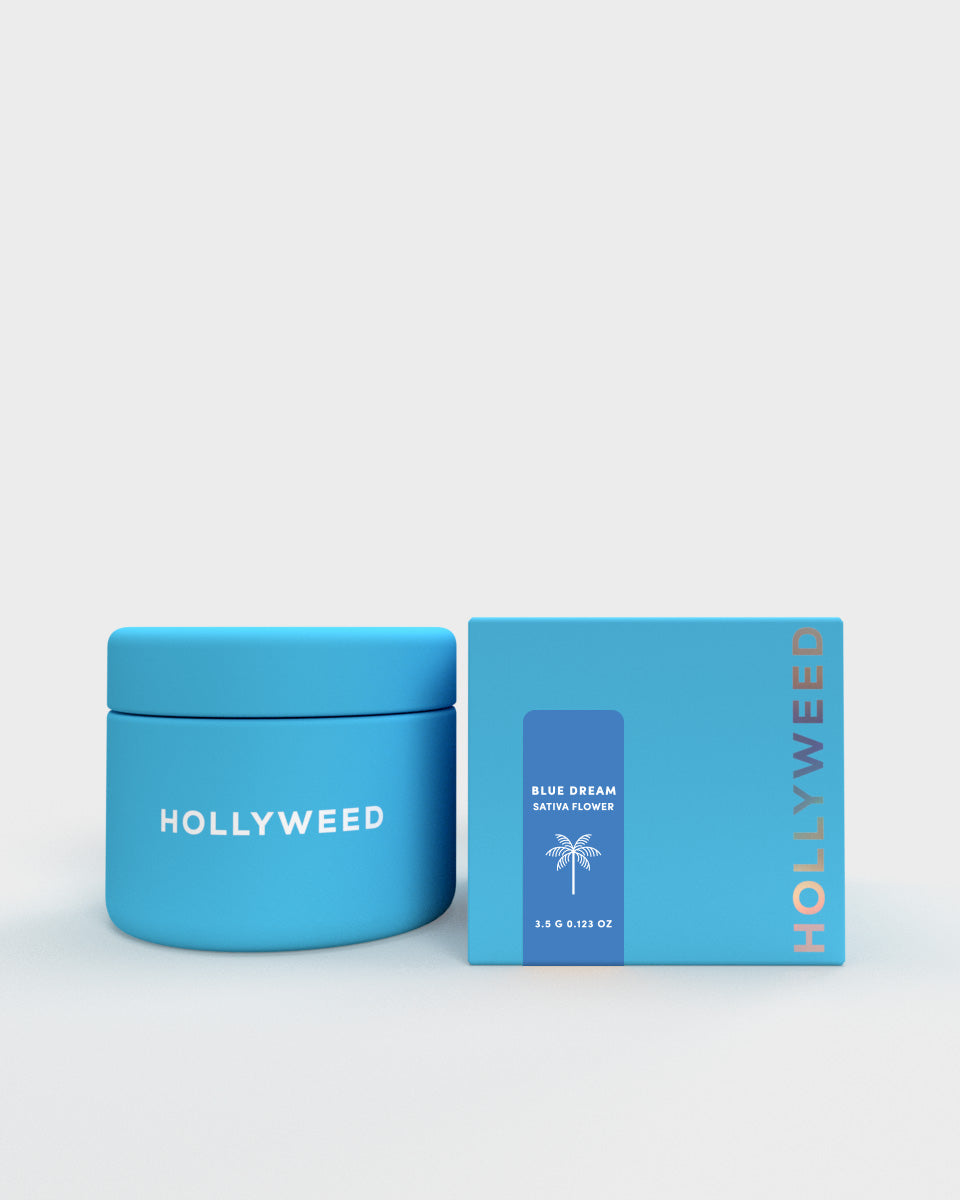



THCA Flower - Blue Dream Strain | Sativa
$50.00
Shipping
Orders $100+ get FREE SHIPPING 🚚
Most orders ship within 24 hours.
Orders placed on Friday after 12pm PST through Sunday will be shipped the following Monday.
Disclaimers
California Customers: Under CA SB 378, effective July 1, 2026, we cannot ship products containing any detectable THC to California addresses. This item can't be shipped to a California address.
THCA disclaimer: This product is not available for shipment to the following states: Arkansas, Hawaii, Idaho, Kansas, Louisiana, Oklahoma, Oregon, Rhode Island, Utah, Vermont *Note: Products with Total THC content above 0.3% must not be shipped to these states
Lab Results
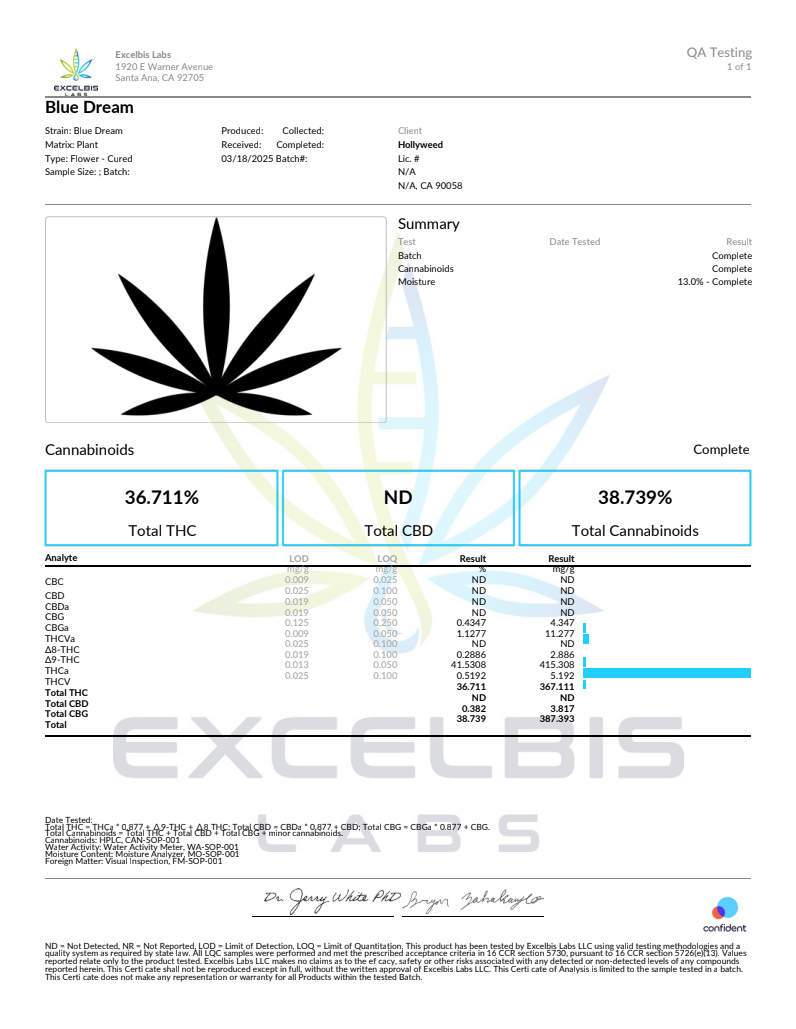
THCA Flower - Blue Dream Strain | Sativa - COA
Batch Date: October 2, 2026
Legal 21+
Discreet Delivery
30 Day Money-Back Guarantee
Blue Dream THCA Flower
Sweet berry. Hazy lift. 41.53% THCA.
Blue Dream THCA flower takes one of California's most famous cannabis strains and turns the potency way up. Hollyweed's indoor-grown Blue Dream tests at 41.53% THCA, pairing serious strength with the sweet blueberry, fruit, herbal and pine character that made the Blue Dream strain a modern classic.
Blue Dream Strain Profile
Strain
Blue Dream
Type
Sativa-Dominant Hybrid
Current THCA
41.53%
Cultivation
Indoor Grown
Reported Genetics
Blueberry × Haze
Flavor
Blueberry · Sweet Fruit · Pine
Common Terpenes*
Myrcene · Pinene · Caryophyllene
Reported Effects
Uplifted · Creative · Happy · Relaxed
*Terpenes vary by phenotype and harvest. These are commonly associated with Blue Dream and are not presented as exact concentrations for Hollyweed's current batch unless confirmed by its COA.
What Is the Blue Dream Strain?
Blue Dream is a legendary California sativa-dominant hybrid generally described as a cross between Blueberry and Haze. It became famous for combining sweet berry flavor with an uplifting cerebral experience and a softer, more relaxed body feel.
Blue Dream rose from California's cannabis scene and became one of the most recognizable strain names in the country. Its popularity came from balance: fruit-forward flavor, Haze character and a consumer-reported experience that often feels more functional than heavily sedating.
Hollyweed's version pushes the potency much higher than the numbers historically associated with traditional Blue Dream flower. The current indoor-grown batch tests at 41.53% THCA.
What Does Blue Dream Taste Like?
Blue Dream is best known for sweet blueberry and ripe berry flavor layered with herbal, earthy and pine notes. The fruit comes first, while the Haze side of the profile adds a fresher, slightly spicy and herbal finish.
Blueberry
Sweet berry character at the center of the profile.
Sweet Fruit
Ripe fruit and lightly sugary notes around the berry.
Pine
Fresh woody character beneath the sweeter top notes.
Herbal
Green, Haze-like depth that keeps the profile from feeling flat.
Spice
A light peppery finish can show behind the fruit.
Inside Our Blue Dream THCA Flower
Hollyweed's current Blue Dream THCA flower tests at 41.53% THCA. It is indoor grown for a trichome-heavy finish and brings unusually high potency to Blue Dream's recognizable sweet berry and Haze-forward profile.
Current THCA
41.53%
Current COA potency for Hollyweed Blue Dream THCA Flower. Cannabinoid levels can vary between harvests.
Indoor Grown
Controlled indoor cultivation.
Trichome Rich
Frosty flower with heavy visible resin coverage.
Berry + Haze
Sweet fruit layered with herbal and pine character.
Third-Party Tested
View current lab results.
Potency note: THCA converts into psychoactive THC when heated. Using the standard 0.877 molecular conversion factor, 41.53% THCA represents approximately 36.42% potential THC from THCA alone before accounting for delta-9 THC already present. Actual conversion and intake are lower than this theoretical maximum.
Blue Dream Strain Effects
Blue Dream effects are commonly described as uplifting, euphoric and creative with a gentler layer of physical relaxation underneath. Consumers often report a brighter cerebral start without the immediately heavy body feel associated with more sedating strains.
That balance helped build Blue Dream's reputation as a daytime-friendly strain. Still, strain names cannot predict an exact experience. Amount consumed, tolerance, individual physiology and the chemistry of the specific harvest all matter. Hollyweed's current 41.53% THCA batch is also considerably more potent than typical historical descriptions of Blue Dream.
Is Blue Dream Sativa or Indica?
Blue Dream is generally classified as a sativa-dominant hybrid. You'll often see a 60/40 ratio attached to the name, but exact percentages should not be treated as a fixed scientific property across every Blue Dream phenotype or harvest.
Is Blue Dream Strong?
It depends on the batch. Traditional Blue Dream is not famous simply for extreme potency, but Hollyweed's current 41.53% THCA flower is a high-potency batch. New or low-tolerance consumers should not assume the strain's easygoing reputation means this specific flower is mild.
Looking for more uplifting flower? Browse Hollyweed's Sativa THCA flower strains .
How Blue Dream Became a California Classic
Blue Dream emerged from California's cannabis culture and became one of the defining strains of the 2000s and 2010s. Its exact breeder is difficult to pin down, but the cultivar is strongly associated with Santa Cruz and is widely described as a Blueberry × Haze cross.
Genetic Roots
Blue Dream combines the sweet fruit character associated with Blueberry genetics with the brighter, cerebral reputation of the Haze family.
Early 2000s
Blue Dream becomes closely associated with the Santa Cruz cannabis scene as the cultivar begins circulating through California.
2010s
The strain explodes in popularity as legal-market sales data and dispensary menus turn Blue Dream into one of the most recognizable cannabis names in America.
Modern Classic
Decades after its emergence, Blue Dream remains a reference point for berry-forward, sativa-dominant hybrids and continues to appear across flower, concentrates and other formats.
A famous strain with a surprisingly hazy origin story.
Blue Dream's Blueberry × Haze ancestry is widely accepted, but its exact breeder and the precise parental cuts are less certain. That is common with cultivars that spread through California's clone culture before modern commercial tracking. High Times' history of Blue Dream explores the strain's California roots and rise in popularity.
Why Is Blue Dream So Popular?
Blue Dream became popular because it made very different traits work together: sweet berry flavor, Haze character, strong production and an uplifting experience consumers often describe as balanced rather than heavily sedating.
It was approachable enough to build a huge audience while still having enough personality to become instantly recognizable. The name eventually became almost synonymous with California cannabis during the strain's peak years.
That legacy also explains why Blue Dream remains competitive decades later. Plenty of newer strains offer louder names and more complicated crosses. Few have matched Blue Dream's combination of recognition, flavor and staying power.
What Terpenes Are Associated With Blue Dream?
Myrcene, pinene and beta-caryophyllene are commonly associated with Blue Dream. The exact concentrations can change across phenotypes and harvests, so a generic strain profile should never be treated as the lab profile of every Blue Dream batch.
Myrcene
Earthy · Herbal
Pinene
Pine · Fresh
β-Caryophyllene
Pepper · Spice
“Sativa” doesn't tell the whole chemical story.
Cannabis cultivars sold under familiar strain and Indica/Sativa labels can show meaningful chemical variation. That is why Hollyweed separates traditional strain descriptions from the measured potency of the current batch. Research on cannabis chemovars also supports looking beyond a strain name alone when describing cannabinoid and terpene chemistry. Review cannabis chemovar research indexed by PubMed .
If You Like Blue Dream, Try These
Blue Dream sits between uplifting Haze character and a smoother hybrid feel. If you like its bright, sativa-forward profile, these Hollyweed THCA strains are worth exploring next.
Blue Dream Strain Questions
Does Blue Dream THCA get you high?
Yes. Heating THCA flower through smoking or vaporization converts THCA into psychoactive delta-9 THC. Hollyweed's current Blue Dream tests at 41.53% THCA, so it should be treated as high-potency intoxicating flower once heated.
Is Blue Dream 100% Sativa?
No. Blue Dream is generally classified as a sativa-dominant hybrid rather than a pure sativa. It combines Blueberry and Haze genetics, although the exact parental cuts and fixed Indica/Sativa percentage vary between historical accounts and phenotypes.
Is Blue Dream an upper or downer?
Blue Dream is more often associated with an uplifting, cerebral experience than with immediate heavy sedation. Consumers commonly report euphoria, creativity and mental energy alongside a softer layer of body relaxation. Effects still vary significantly between people and amounts consumed.
Is Blue Dream a strong strain?
Potency depends on the specific batch. Hollyweed's current Blue Dream THCA flower tests at 41.53% THCA, making this particular harvest high potency. The reputation of Blue Dream as balanced or approachable should not be interpreted to mean every Blue Dream product is mild.
What strain is similar to Blue Dream?
There is no exact substitute, but consumers looking for uplifting, sativa-forward profiles may also explore strains such as Green Crack, Jack Herer and Haze-family cultivars. Each has a different flavor and effect profile, so “similar” depends on whether you are comparing genetics, flavor or consumer-reported effects.
How long does Blue Dream take to flower?
Cultivation references commonly place Blue Dream around 9–10 weeks of flowering, although the actual timeline depends on phenotype, environment and grow method. Its vigorous growth and production helped contribute to the strain's popularity among cultivators.
How tall does Blue Dream grow?
Blue Dream can grow tall and vigorous, particularly with longer vegetative periods or outdoor cultivation. Final height depends heavily on phenotype, training, environment and available space, so there is no single reliable mature height for every Blue Dream plant.
How should Blue Dream THCA flower be stored?
Keep Blue Dream flower in an airtight container away from direct sunlight, excessive heat and moisture. Proper storage helps protect cannabinoids, flower texture and the volatile aromatic compounds behind its sweet berry profile.
Hollyweed Blue Dream
California Dreaming. Turned All the Way Up.
Indoor-grown 41.53% THCA Blue Dream with sweet berry, pine and classic Haze character. Shop this batch or explore the full Hollyweed THCA flower collection .
A
Really good ima keep buying it no LIE
A
Blue Dream helps with my pain in joints. Helps with my mood, lifting me up, and to be creative. Slows the brain down, so I can get focused. While staying alert. Big Fan
D
Pretty mellow buzz