Filters
24 items
Sort Featured
-
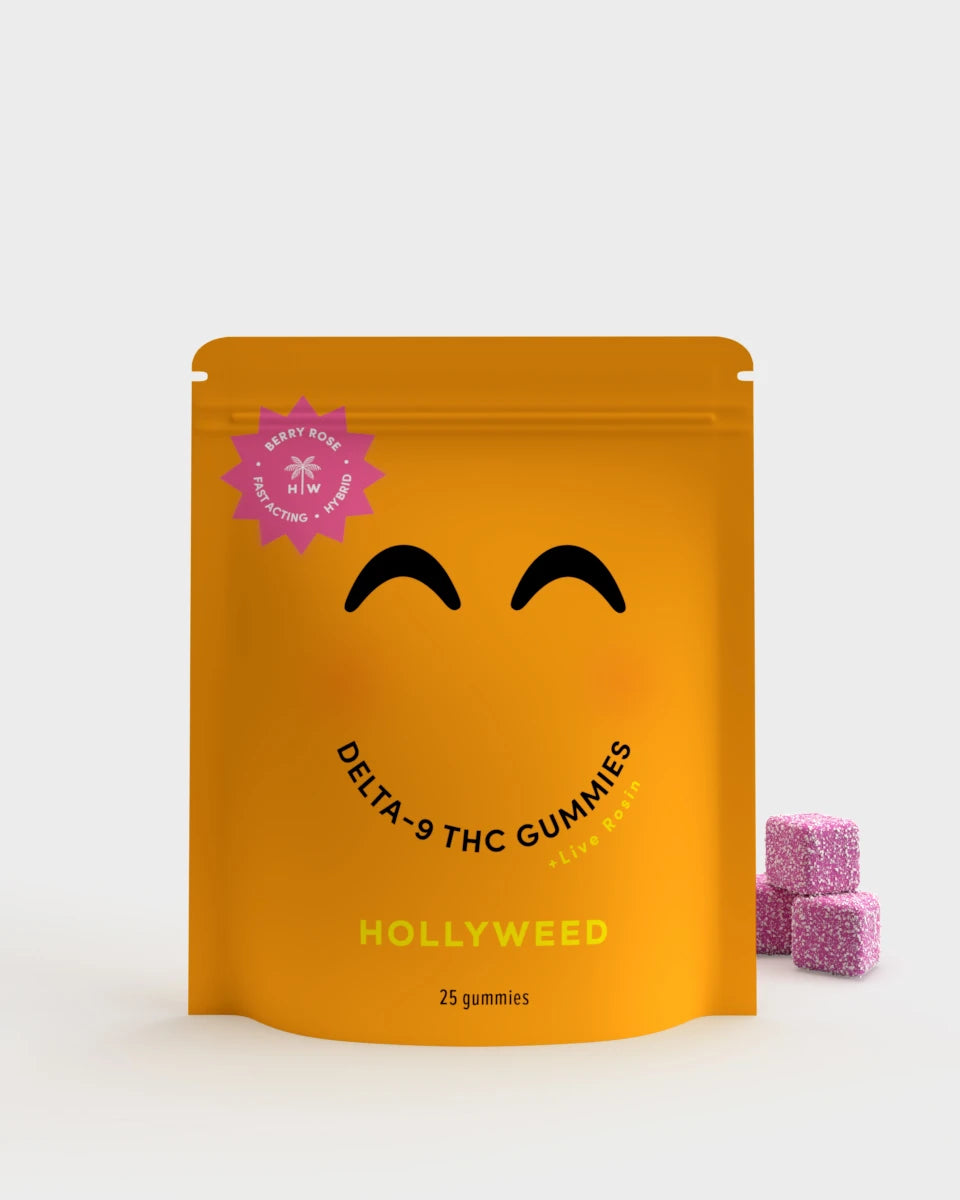
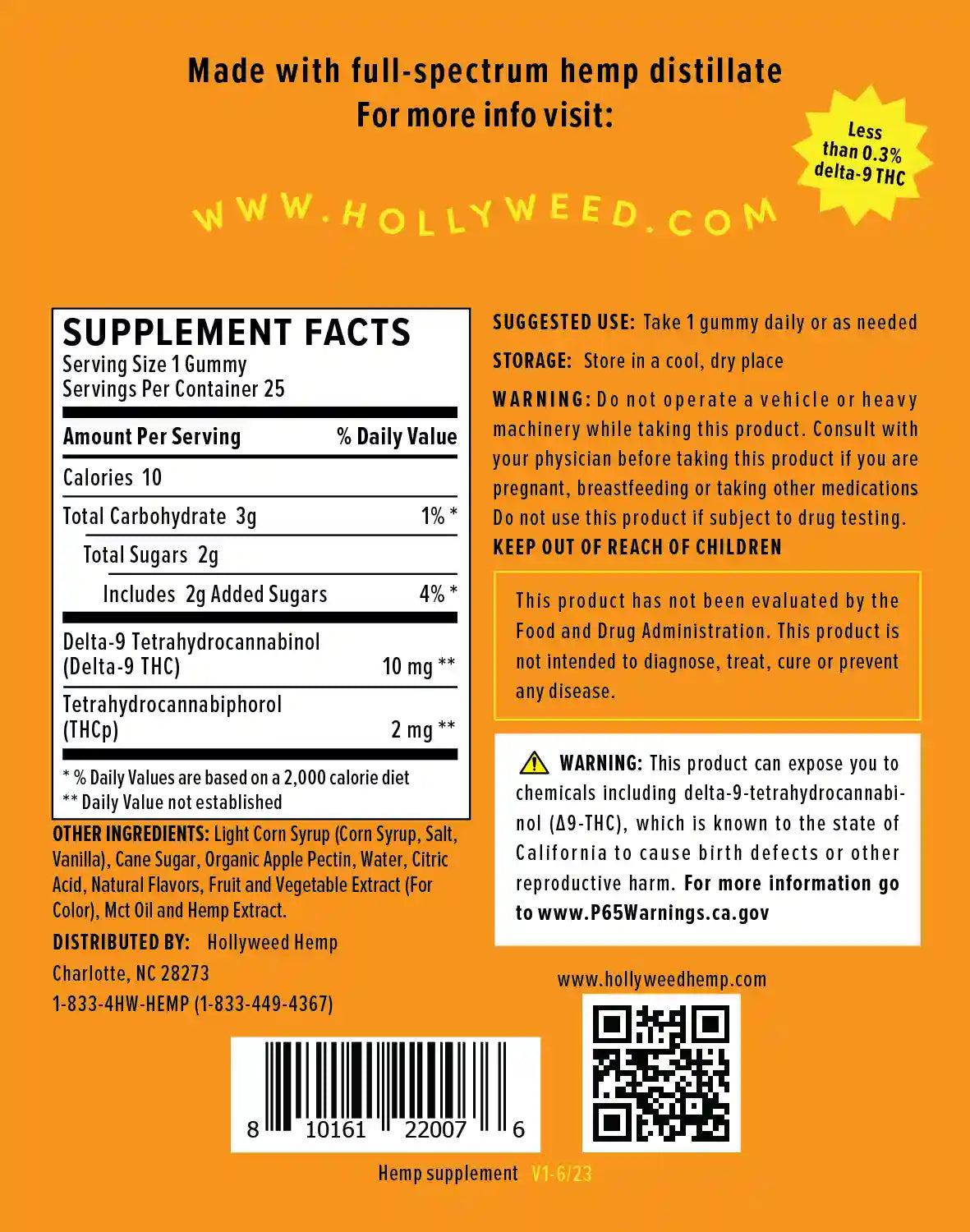
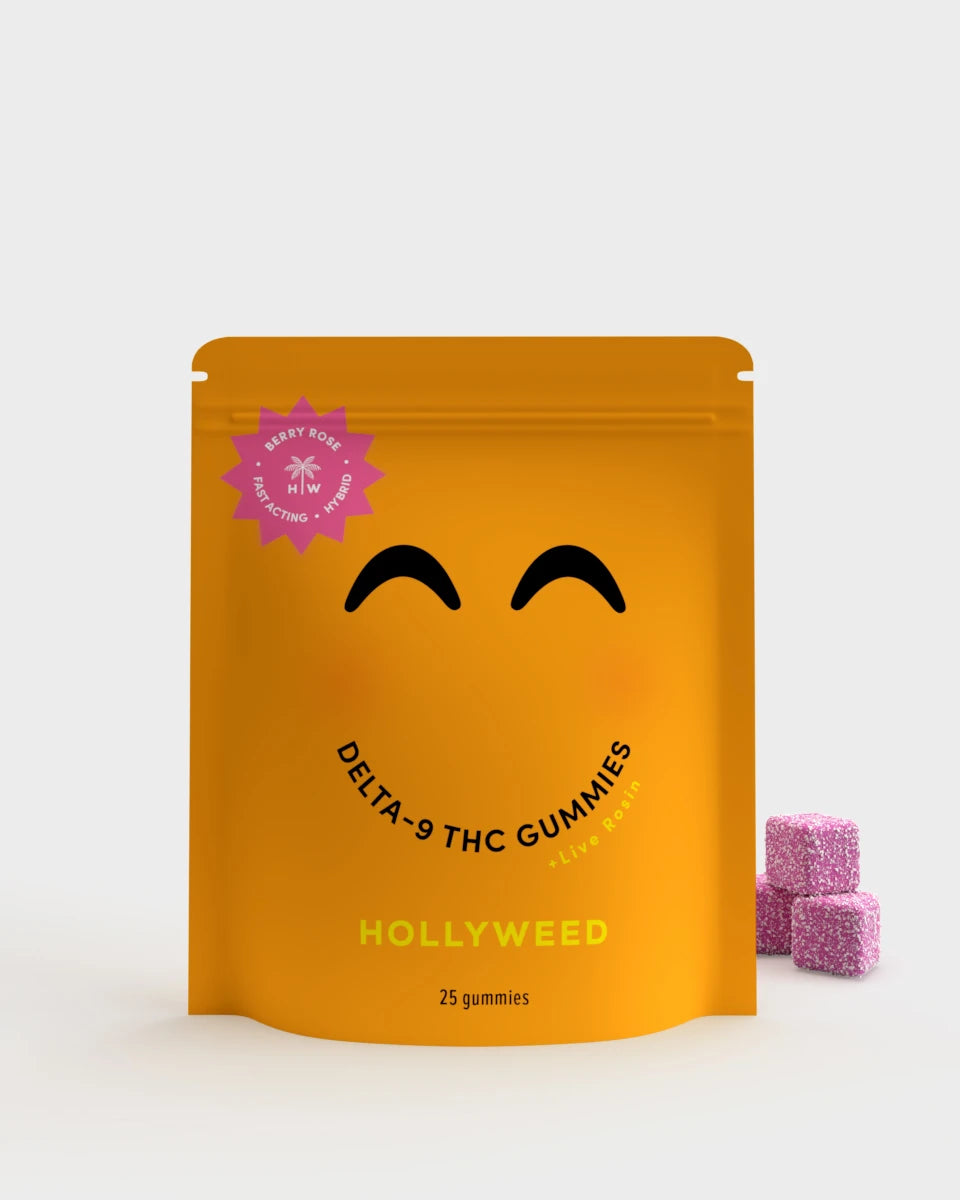
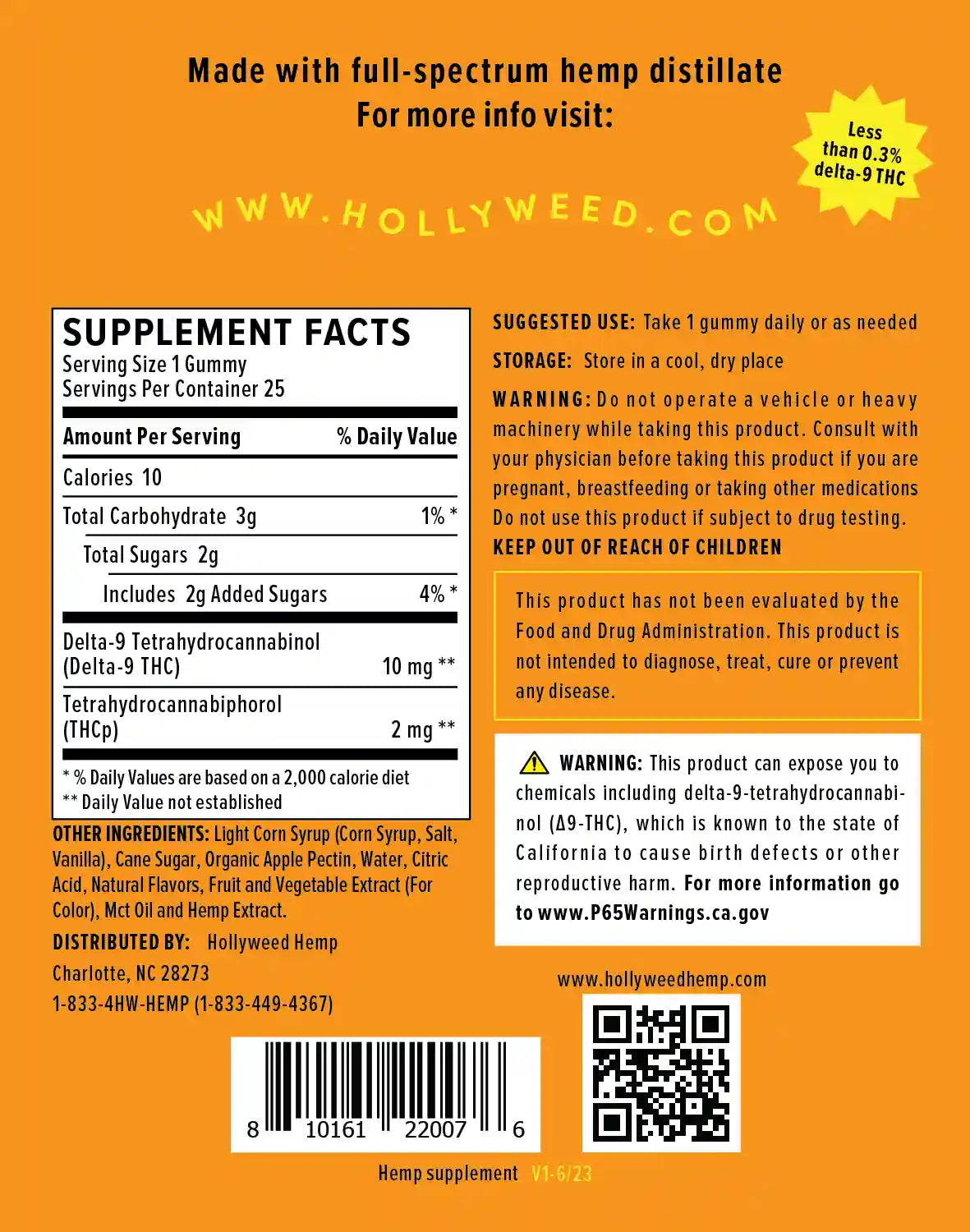
Extra Strength | Delta-9 Gummies + Live Rosin - Berry Rose (Hybrid-Enhanced) -
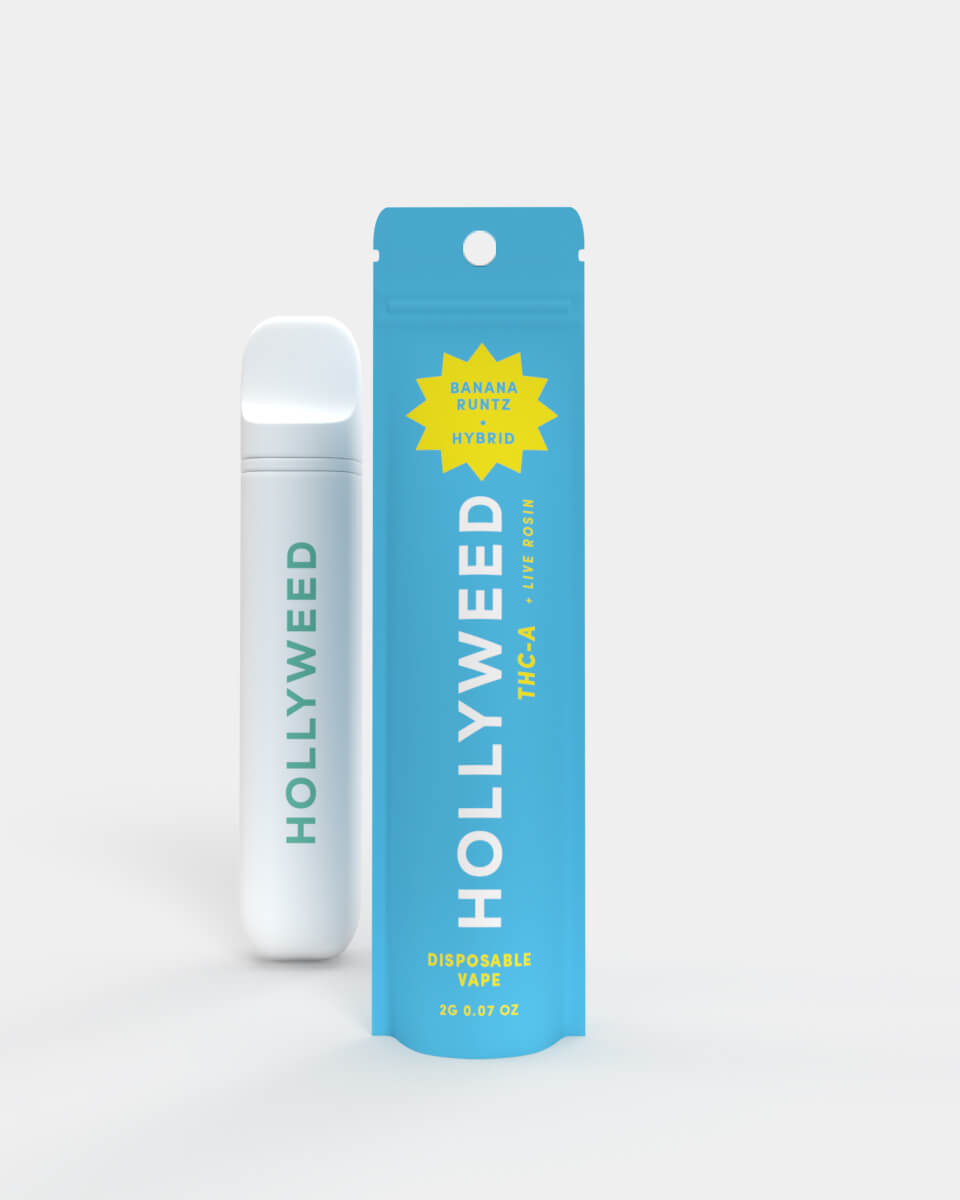
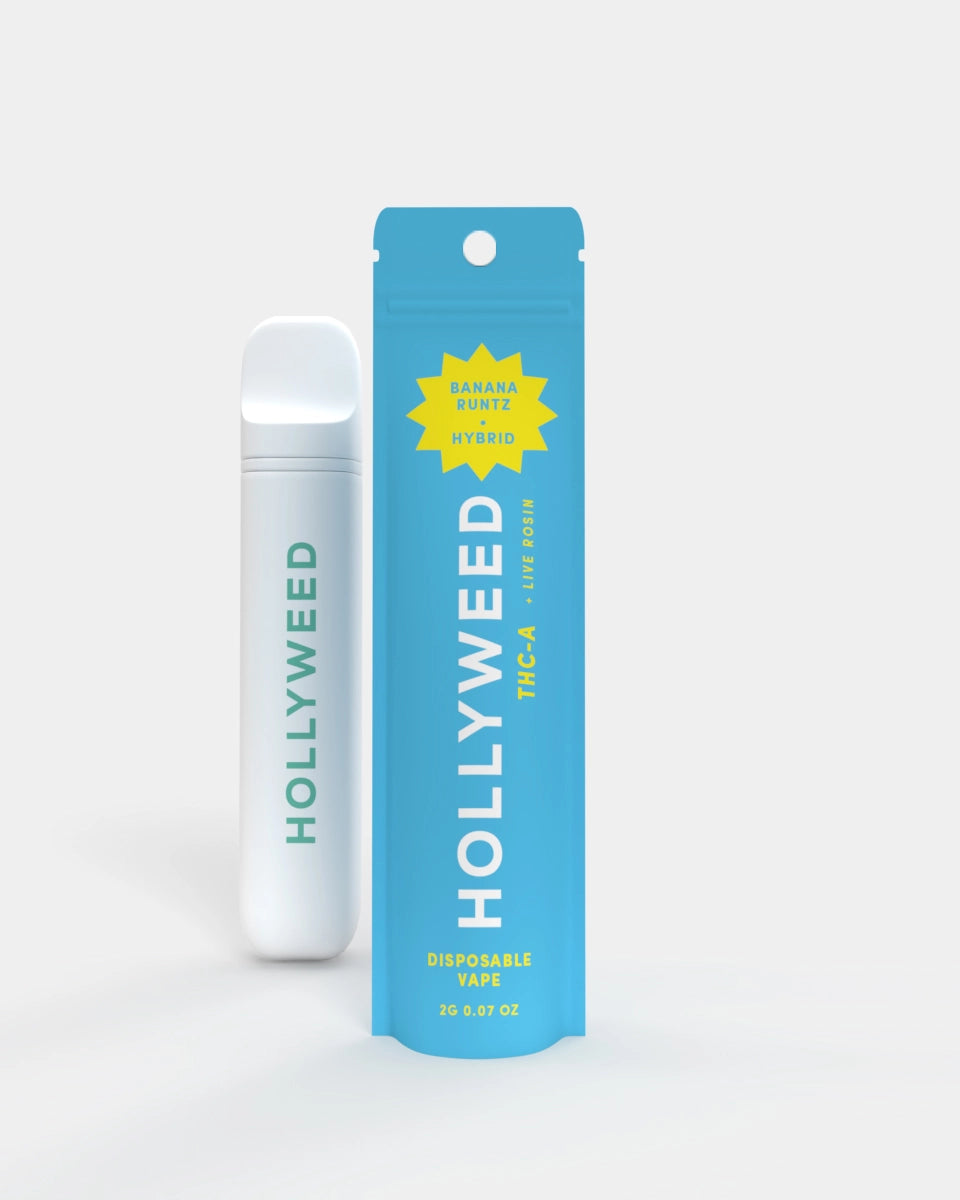
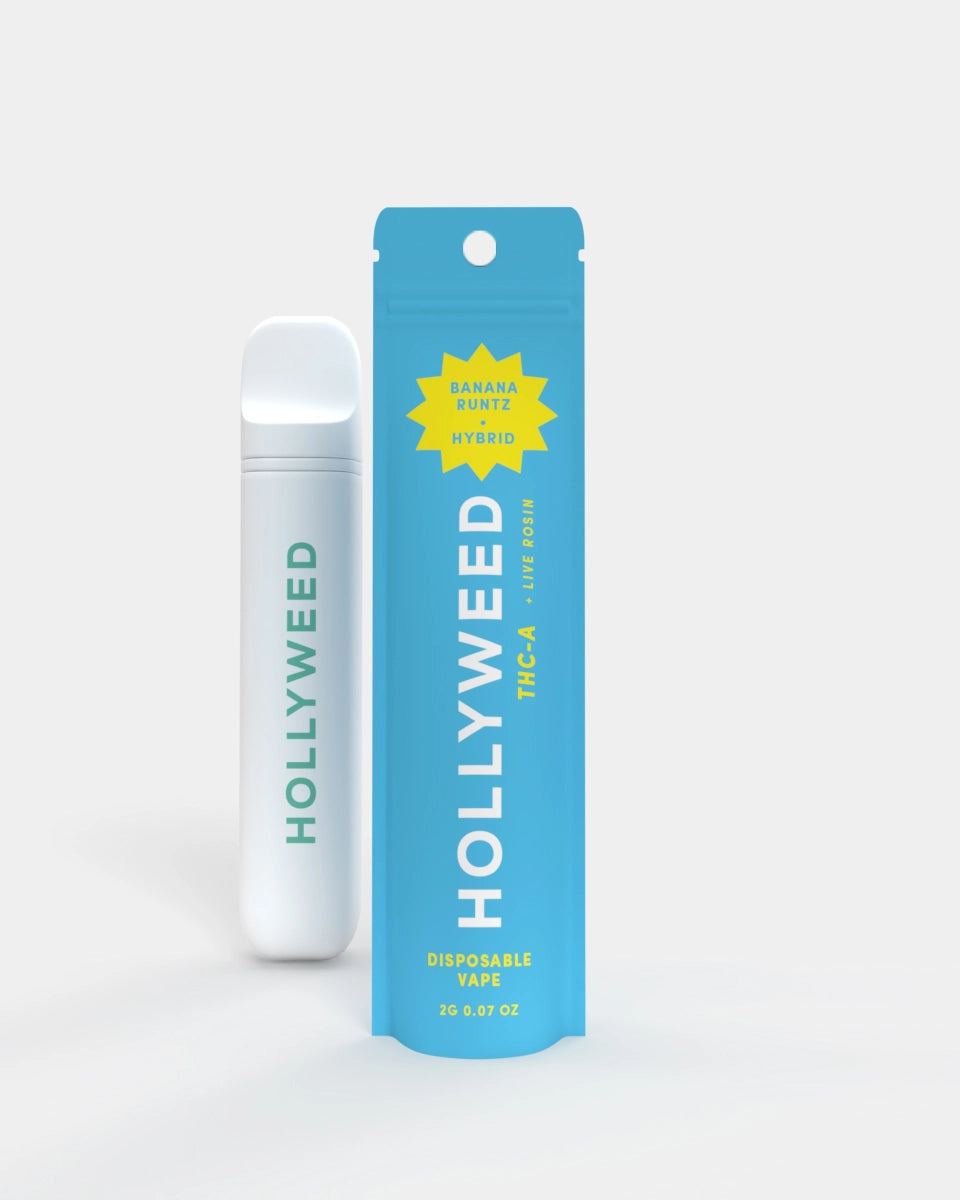
THCA Vape - Banana Runtz Disposable | Hybrid -
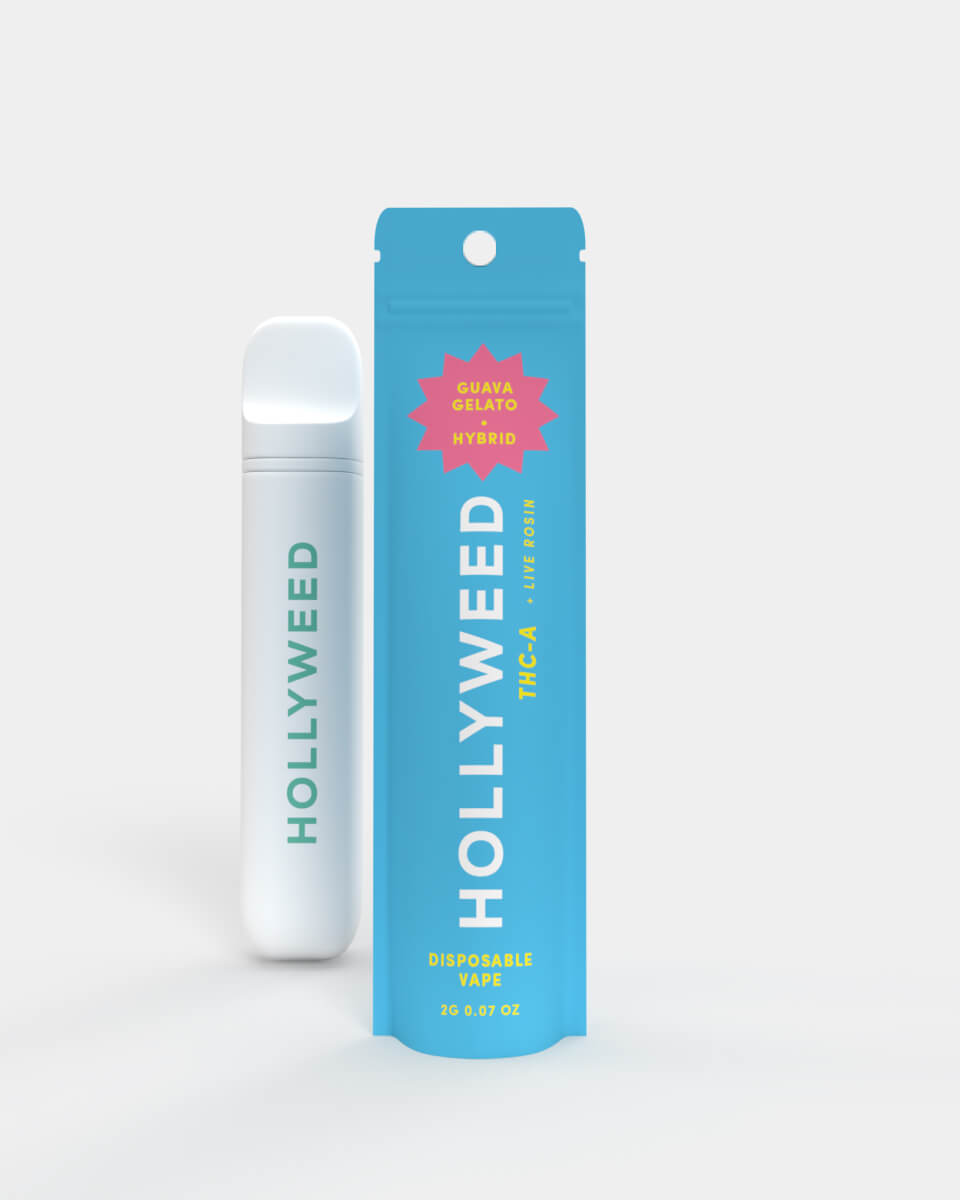
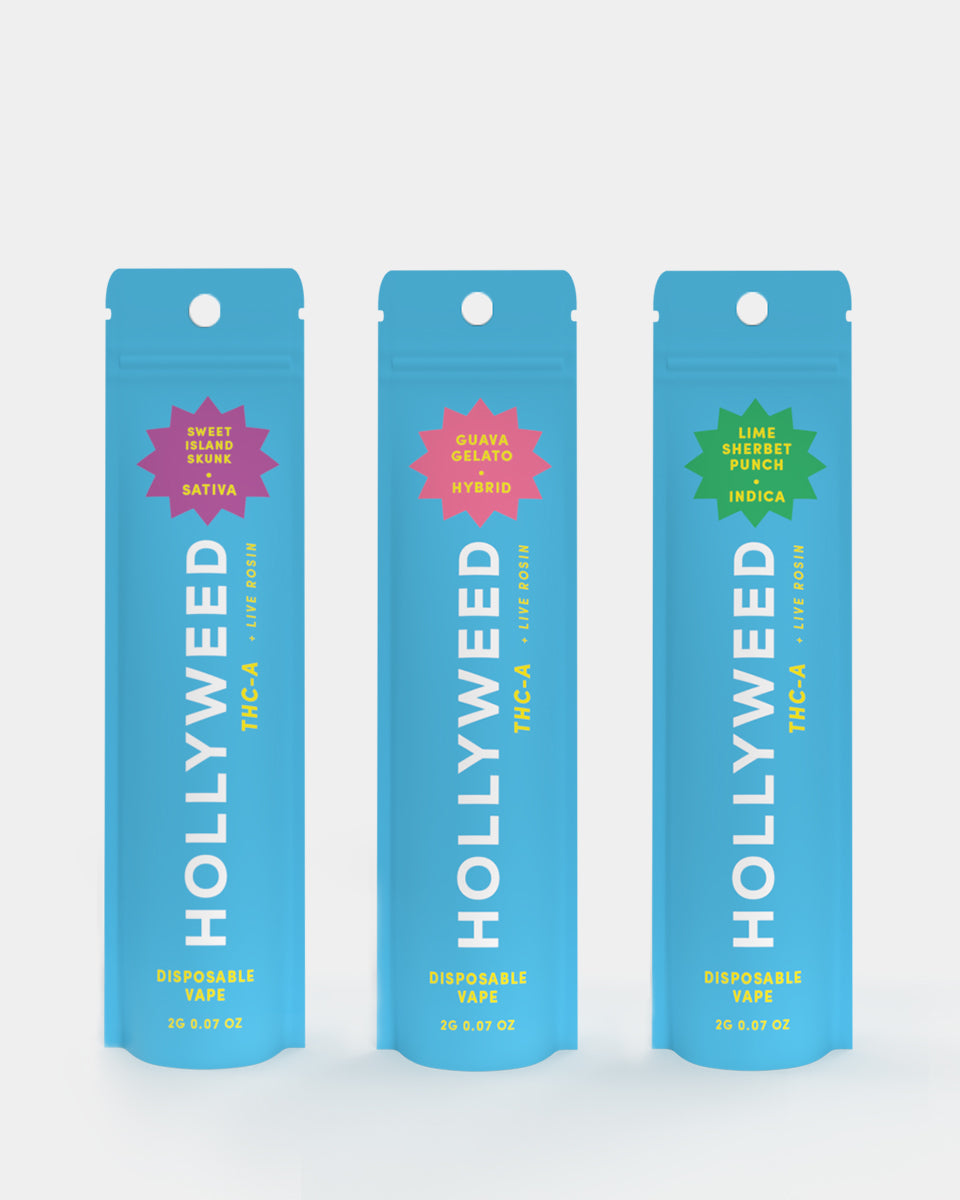
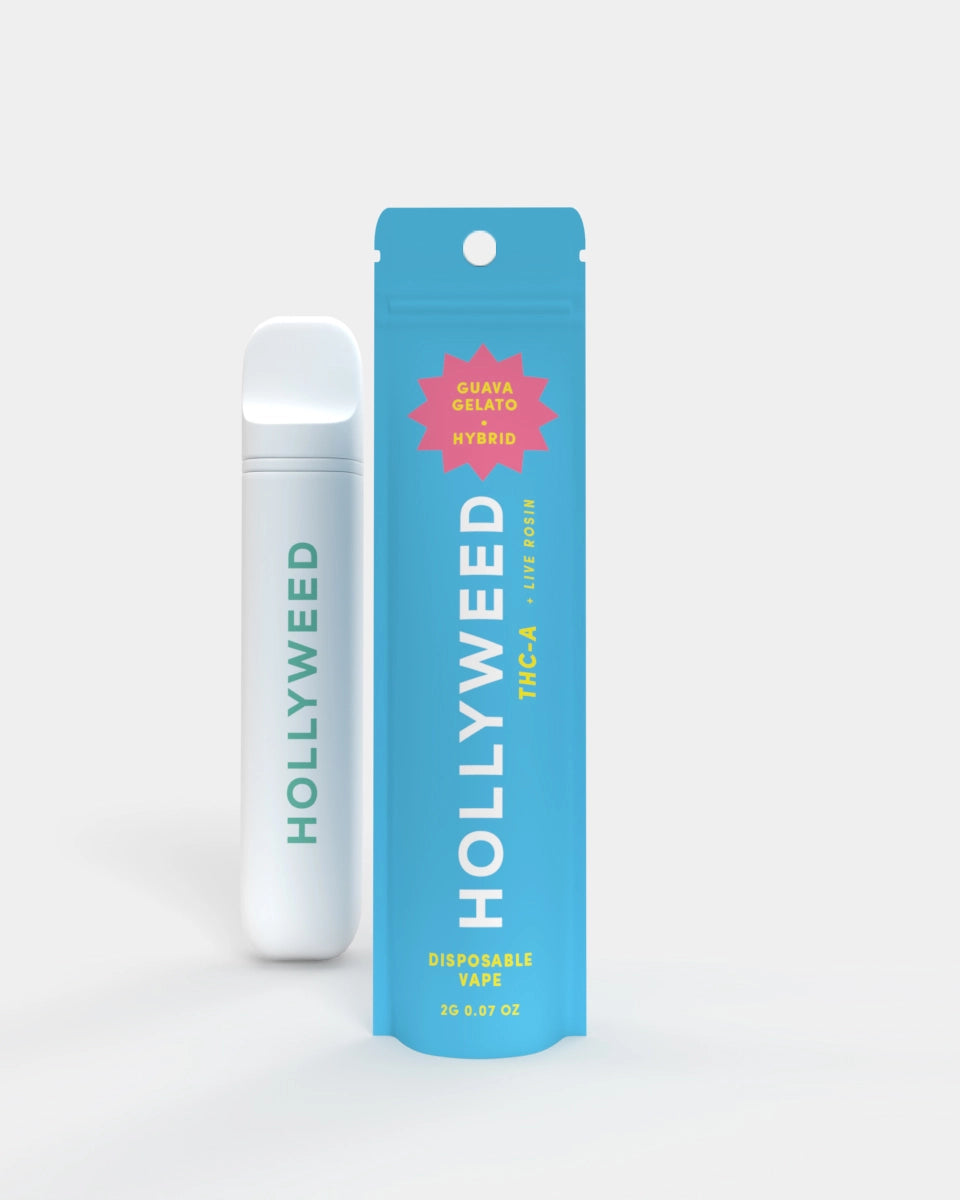
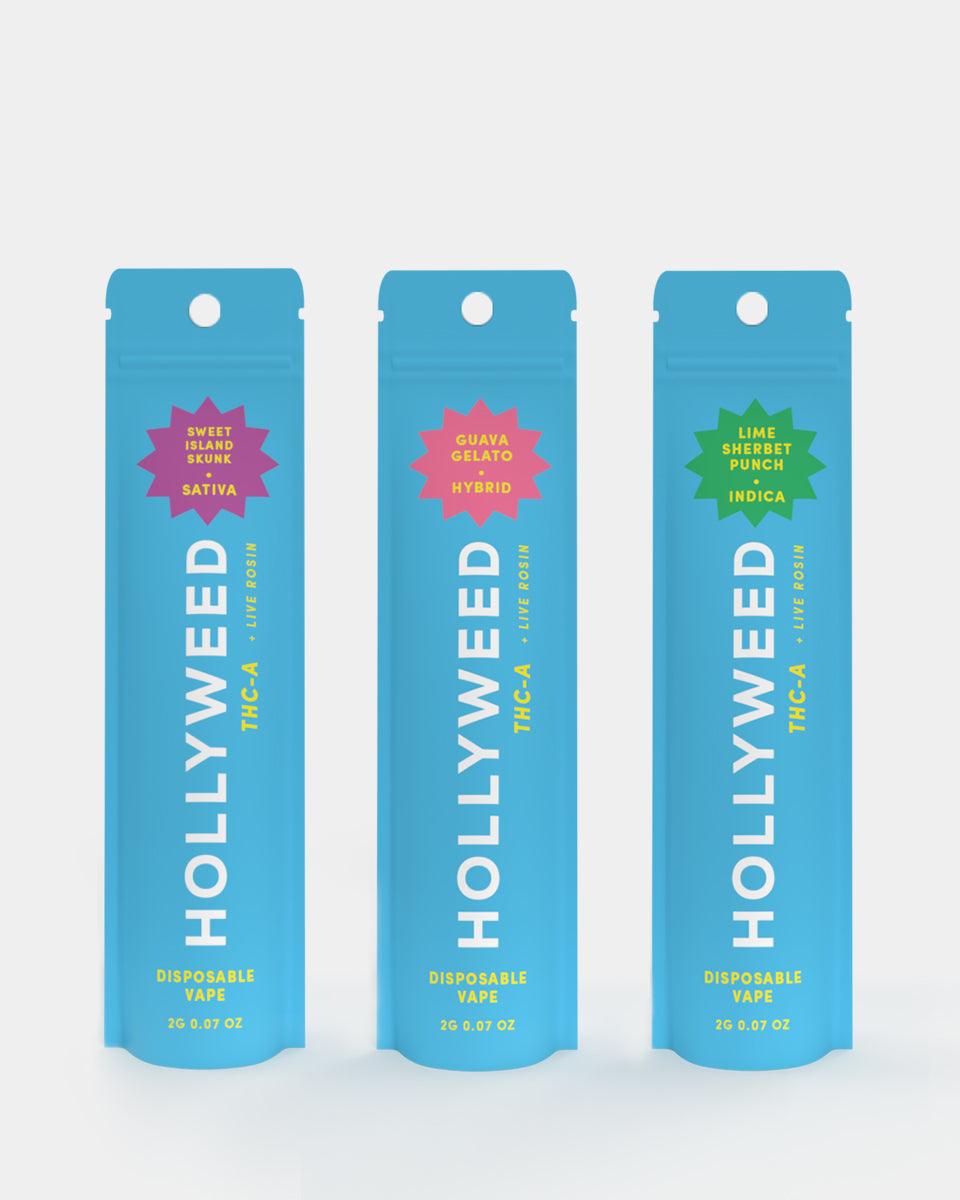
THCA Vape - Guava Gelato Strain | Disposable Pen -
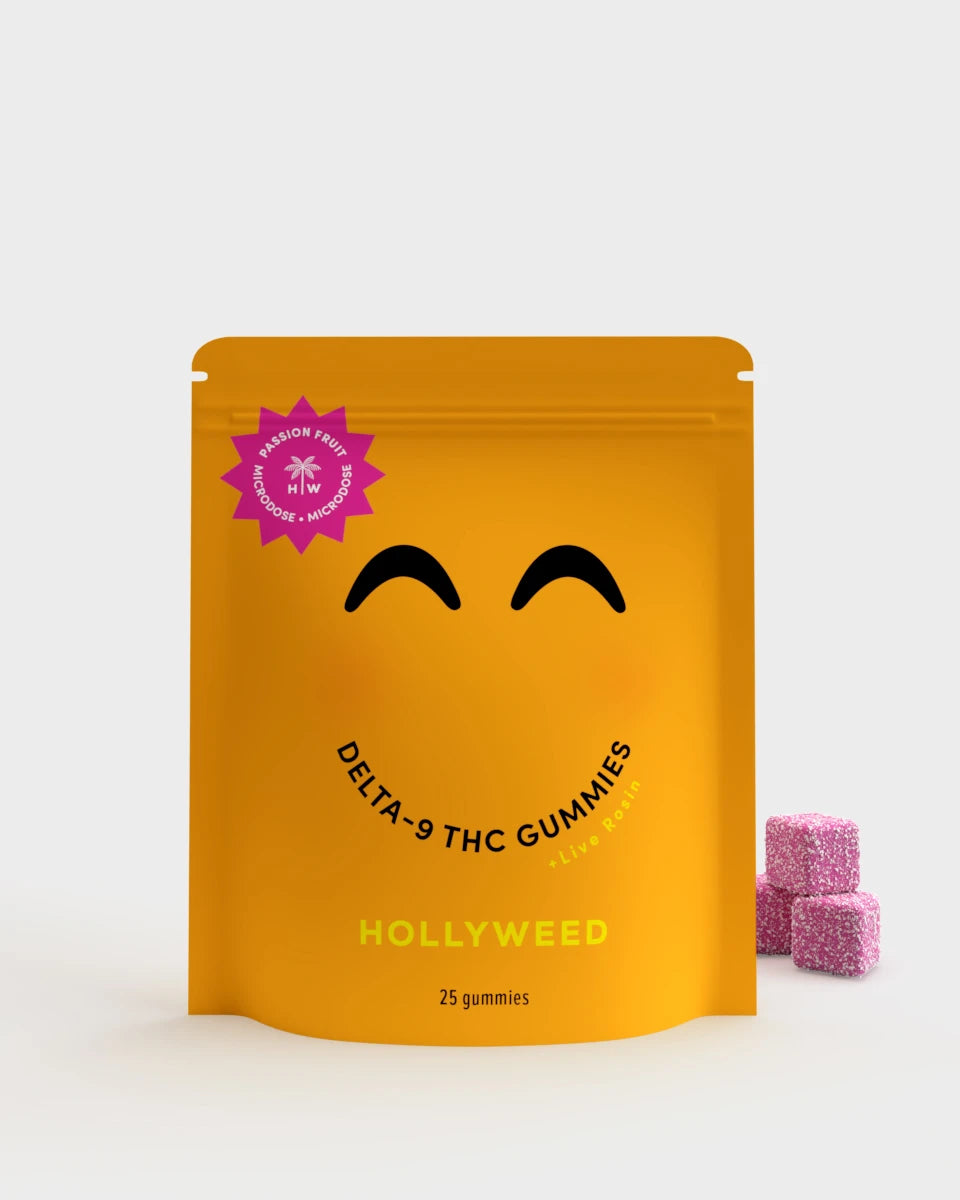
Daily Microdose THC | Delta-9 Gummies + THCp + CBG - Passion Fruit -
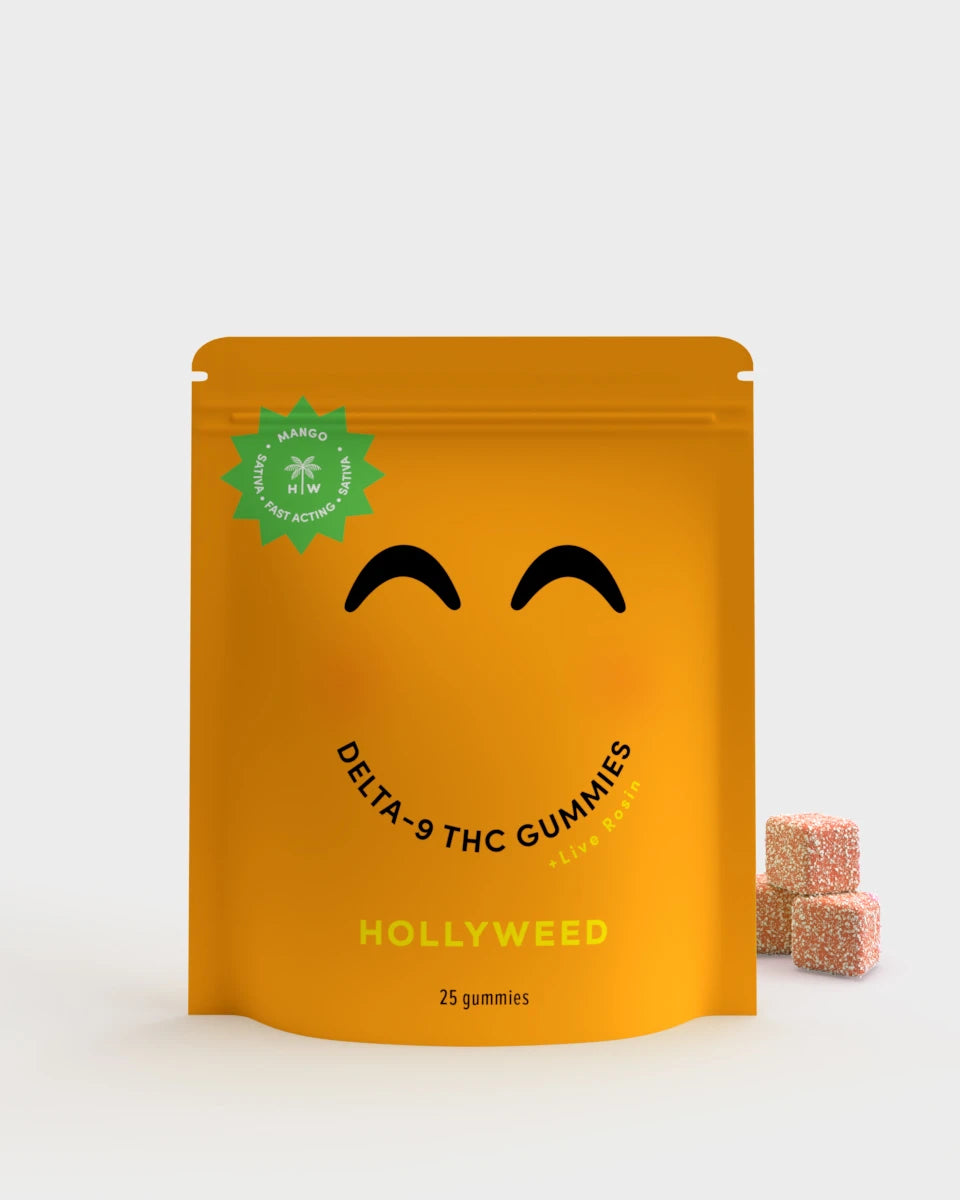
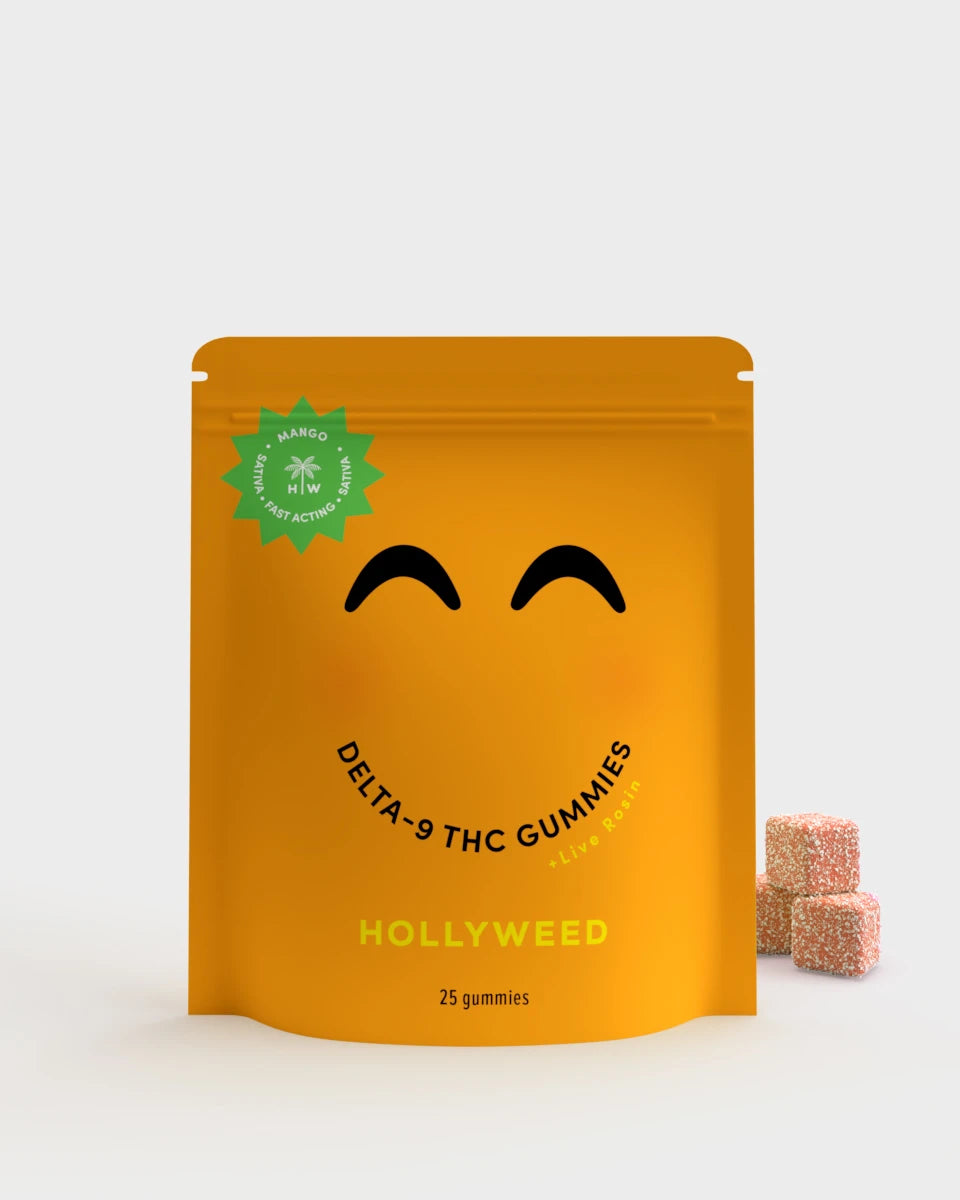
Extra Strength | Delta-9 Gummies + Live Rosin - Mango (Sativa Enhanced) -
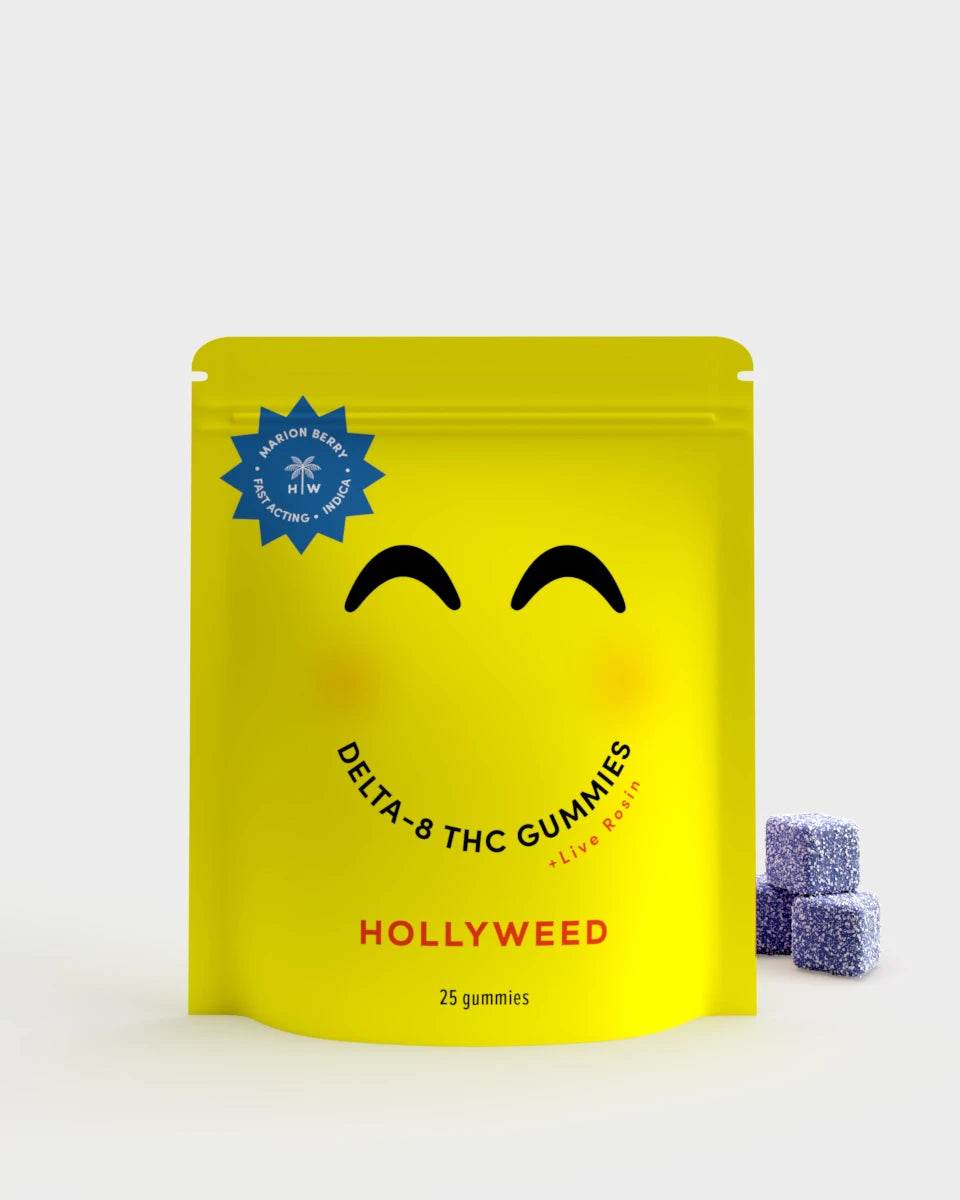
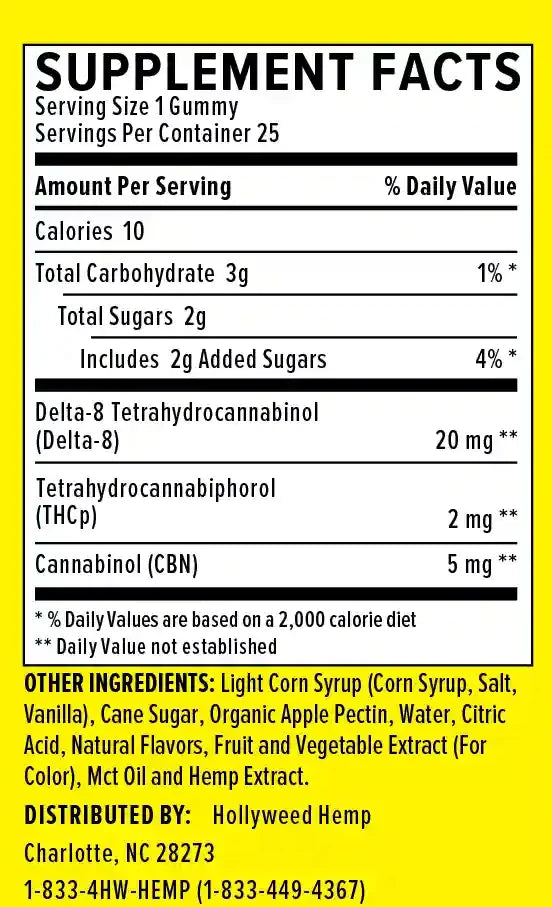
Extra Strength | Delta-8 Gummies + THCp + Live Rosin - Marion Berry (Indica Enhanced) -
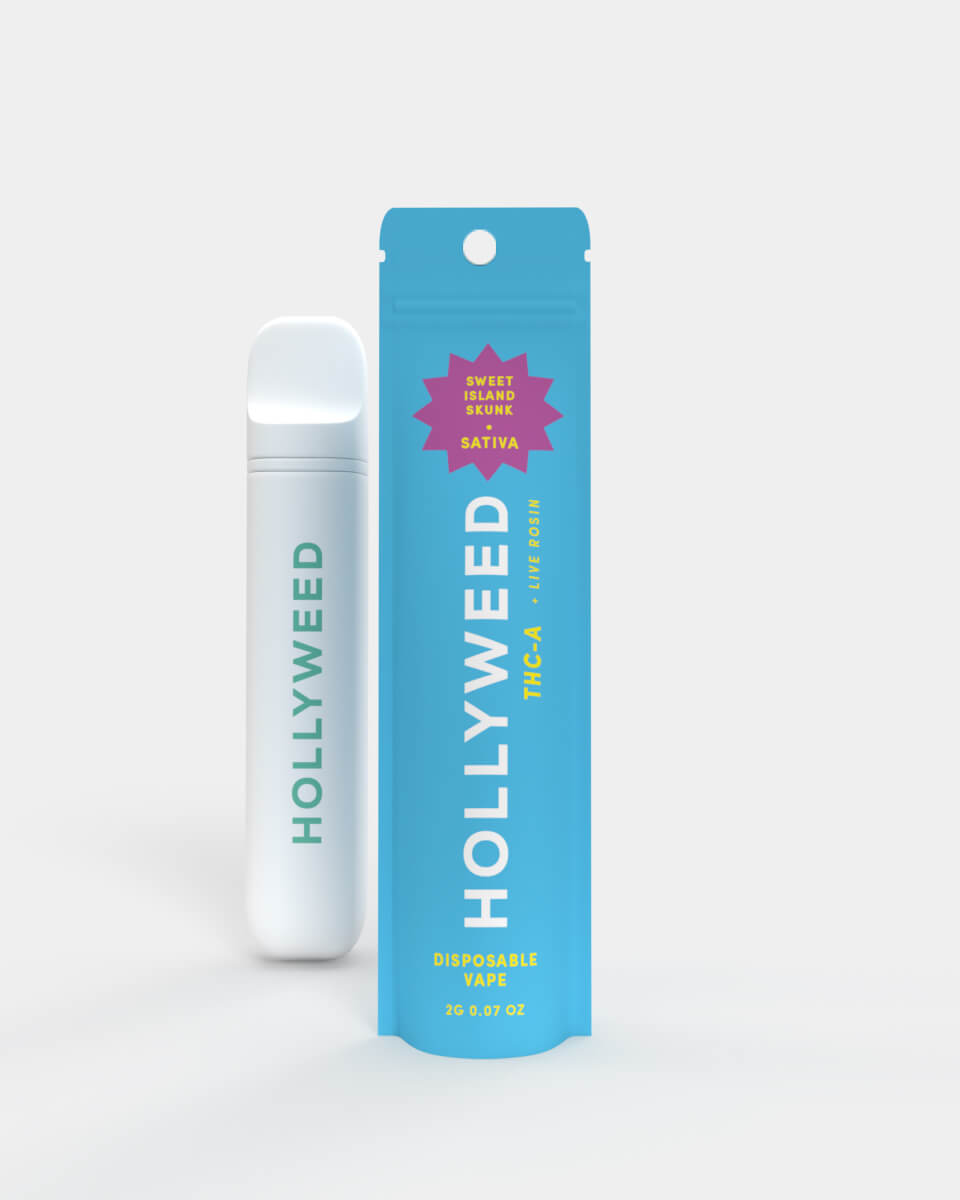
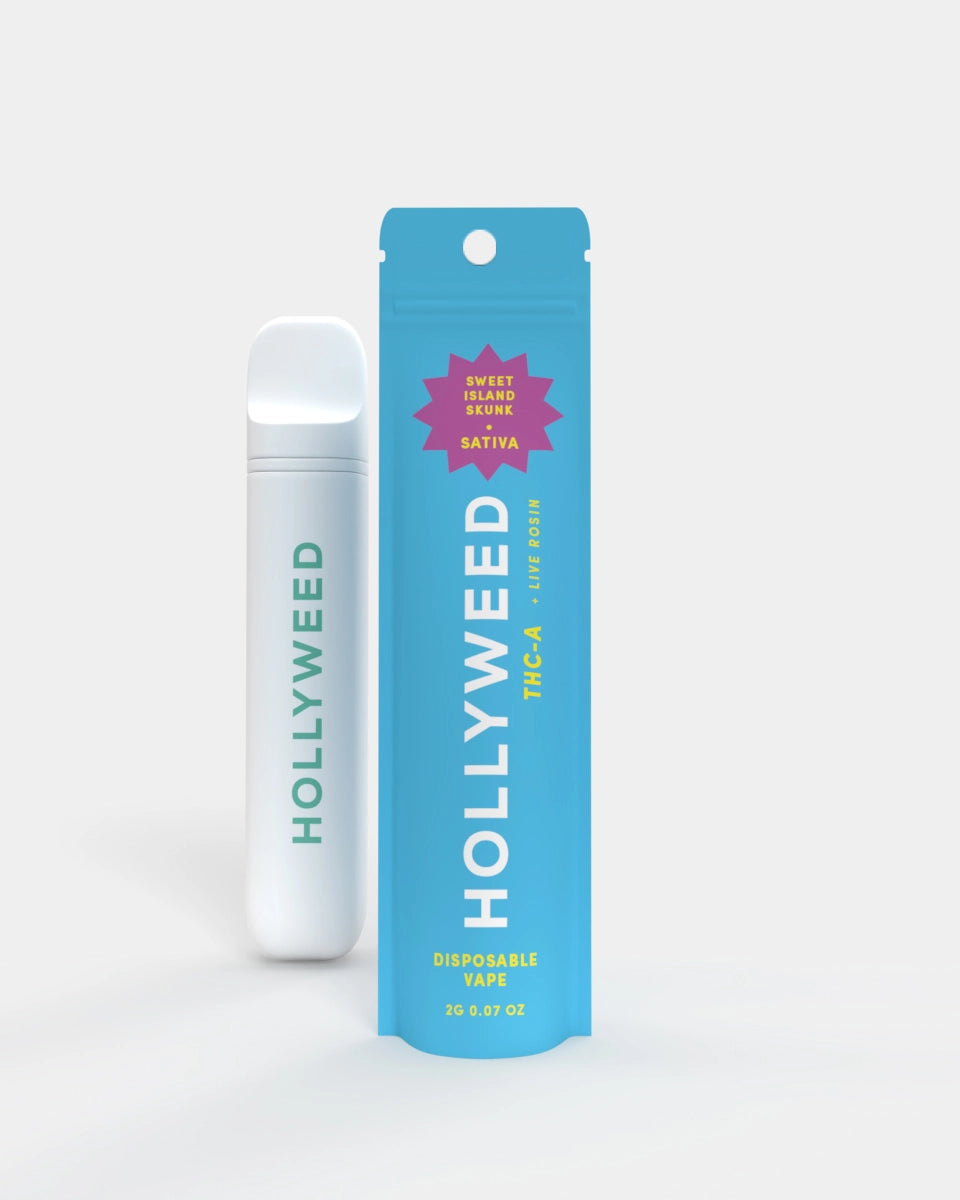
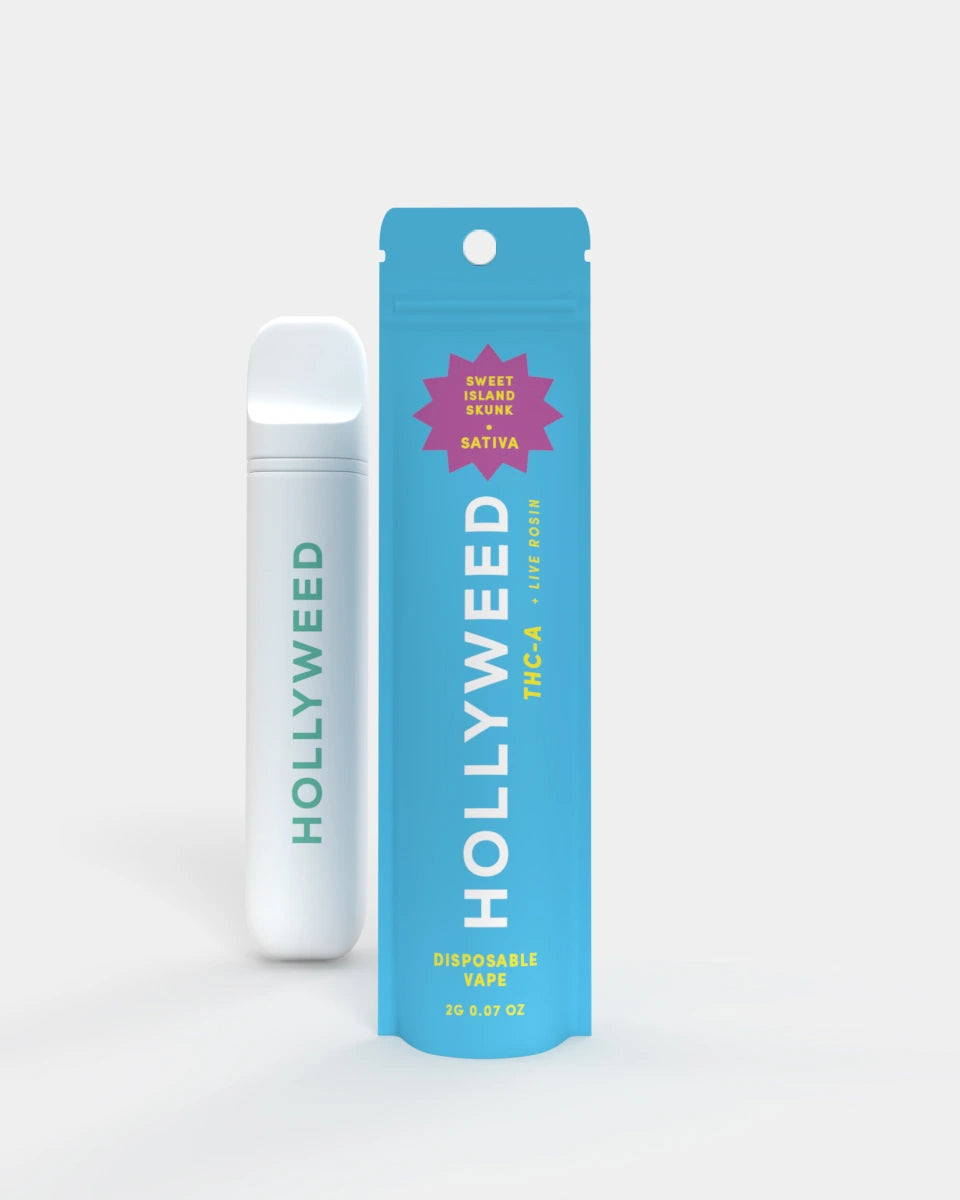
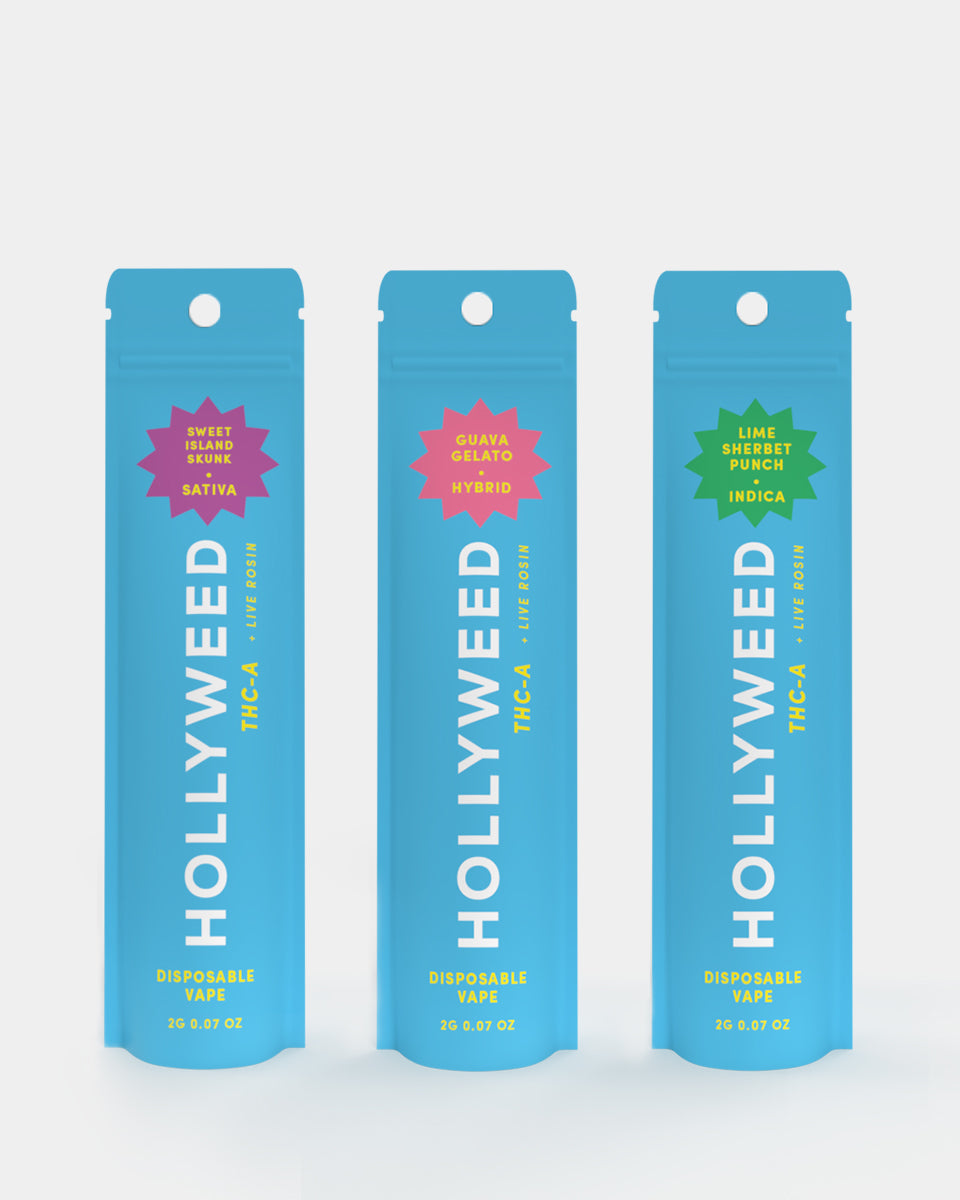
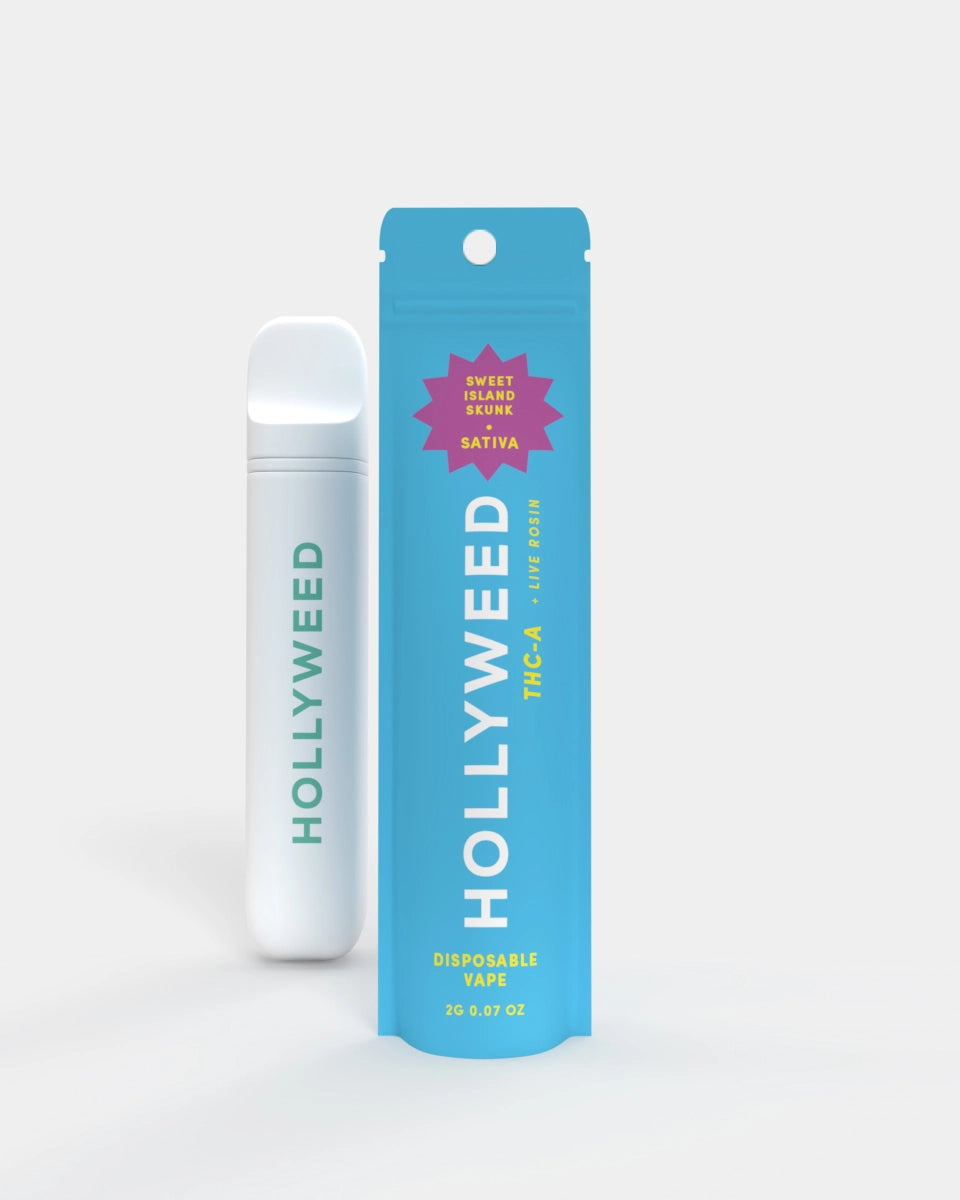
THCA Vape - Sweet Island Skunk Strain | Sativa -
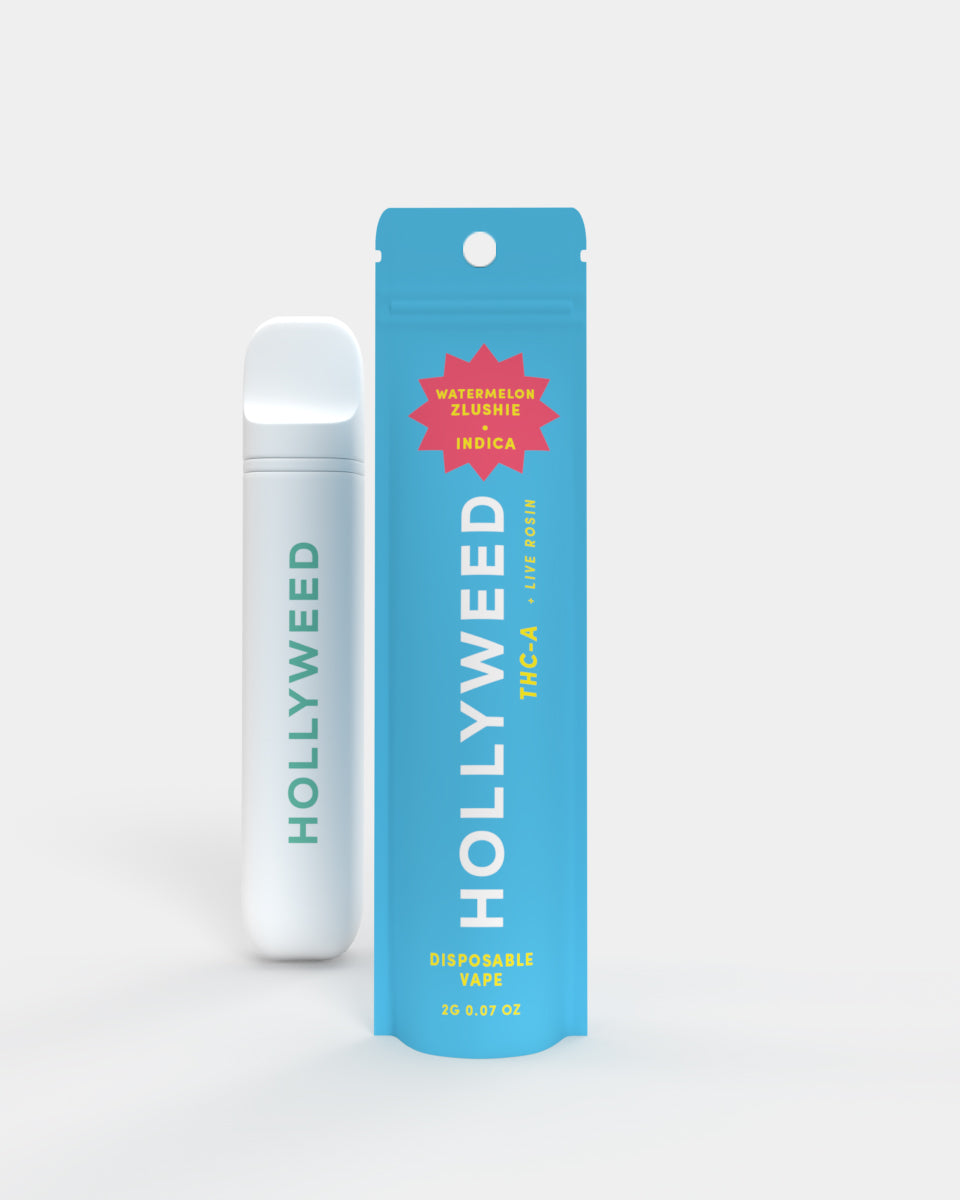
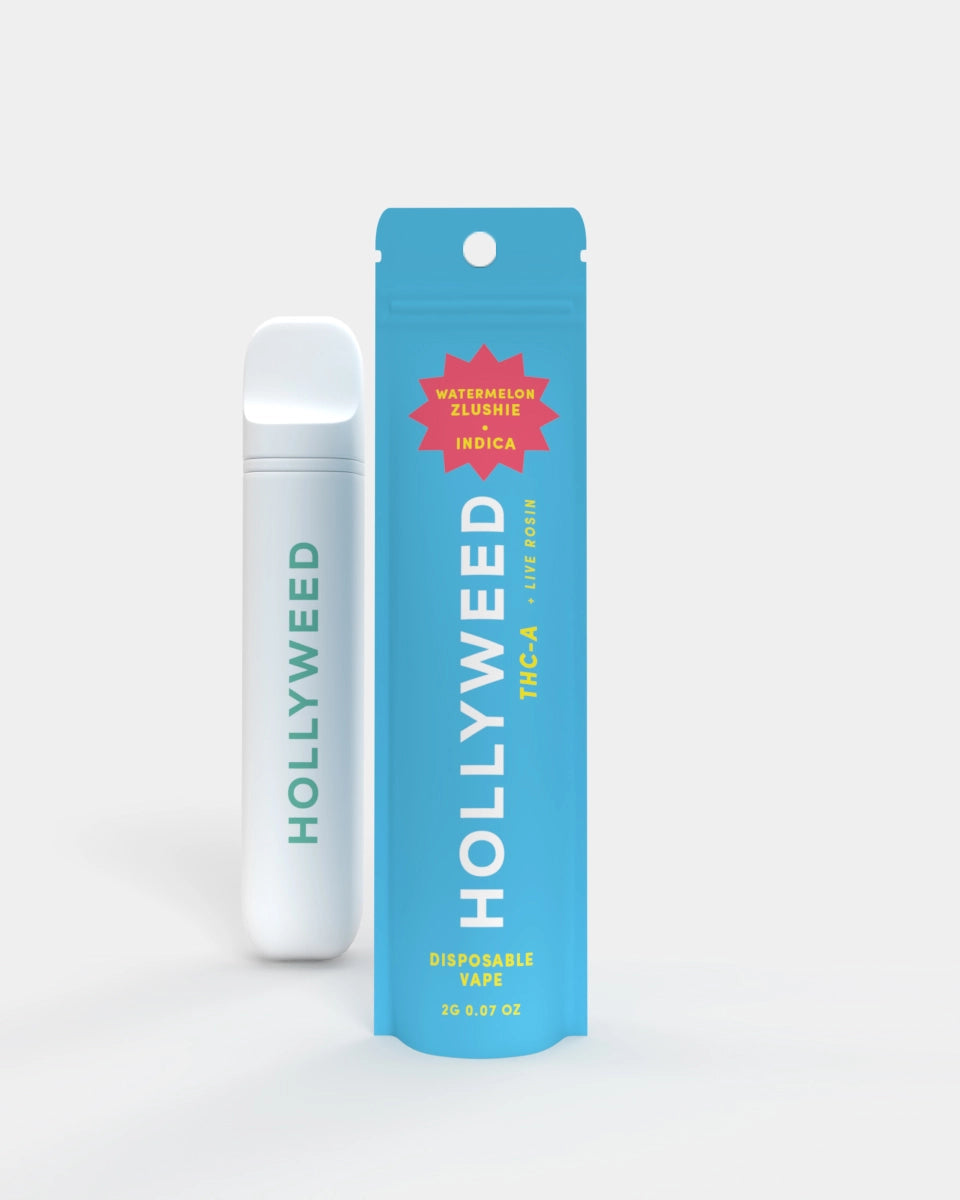
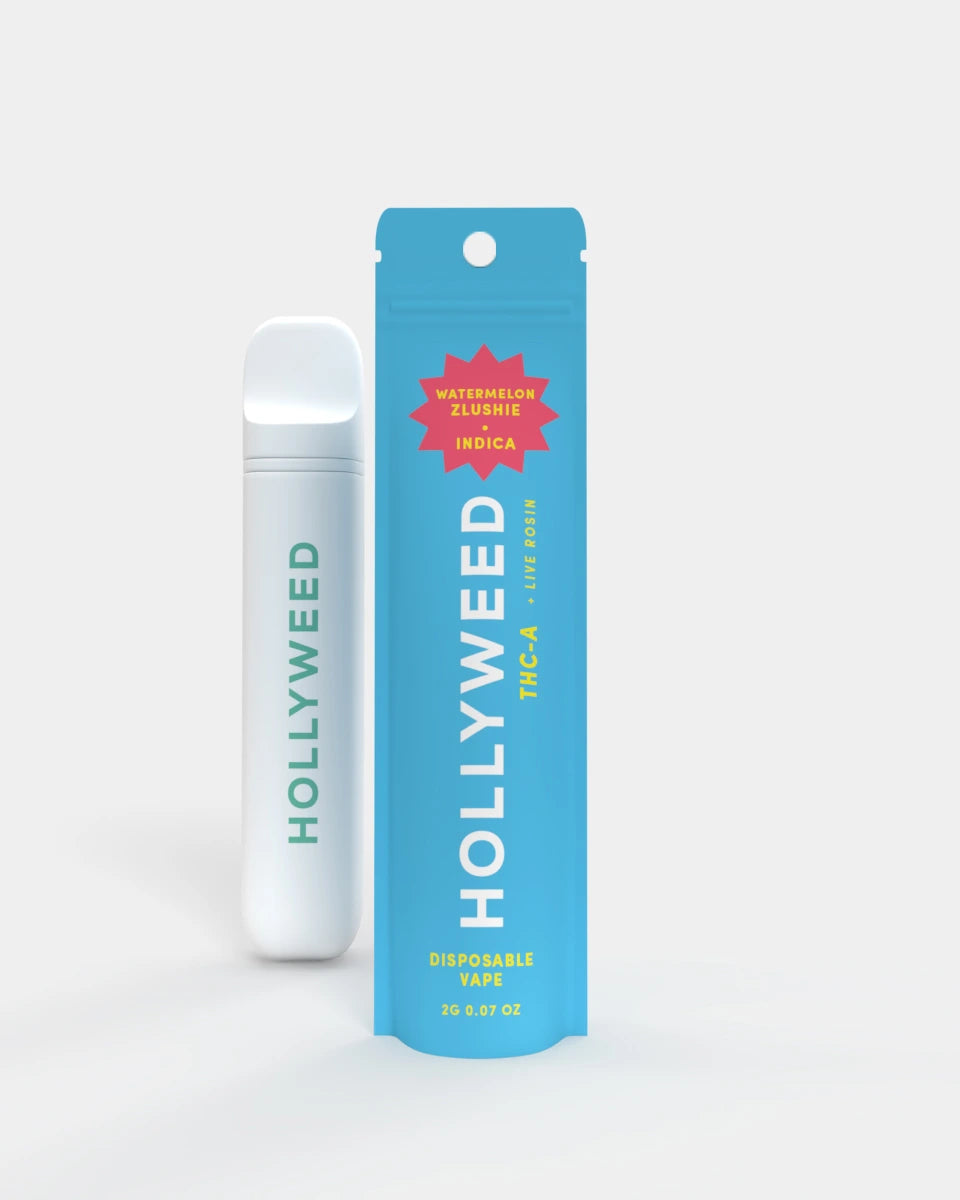
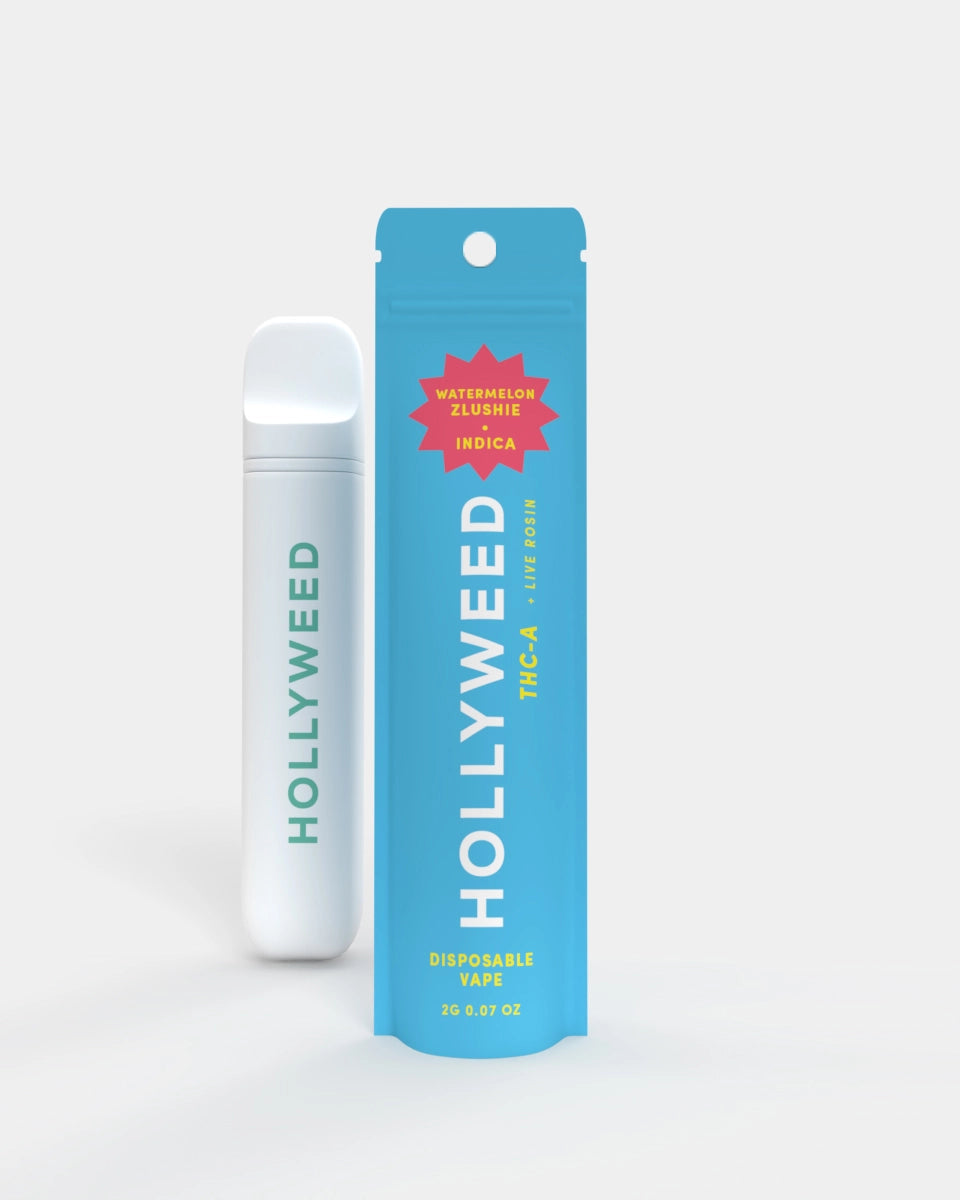
THCA Vape - Watermelon Z Strain (Zlushie) | Indica -
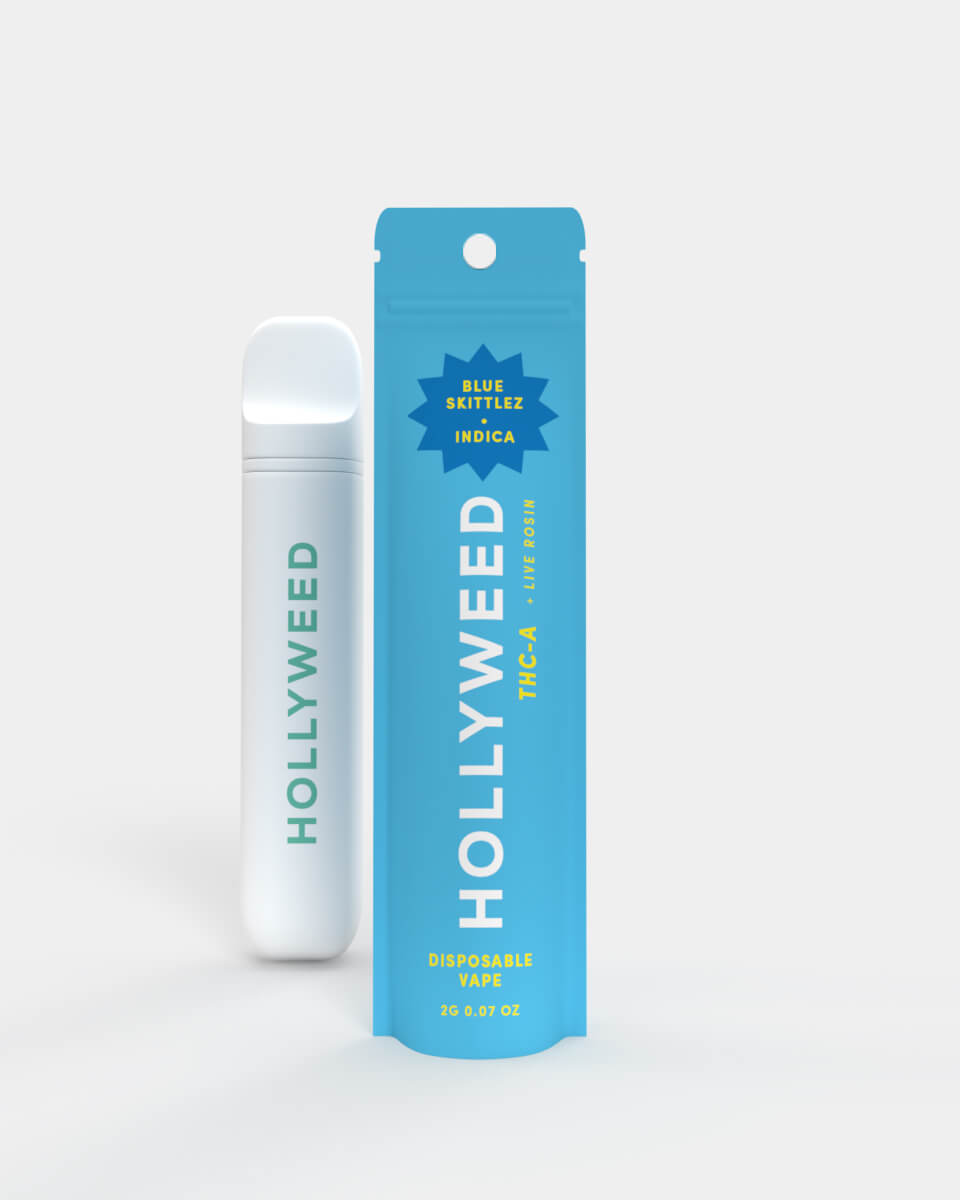
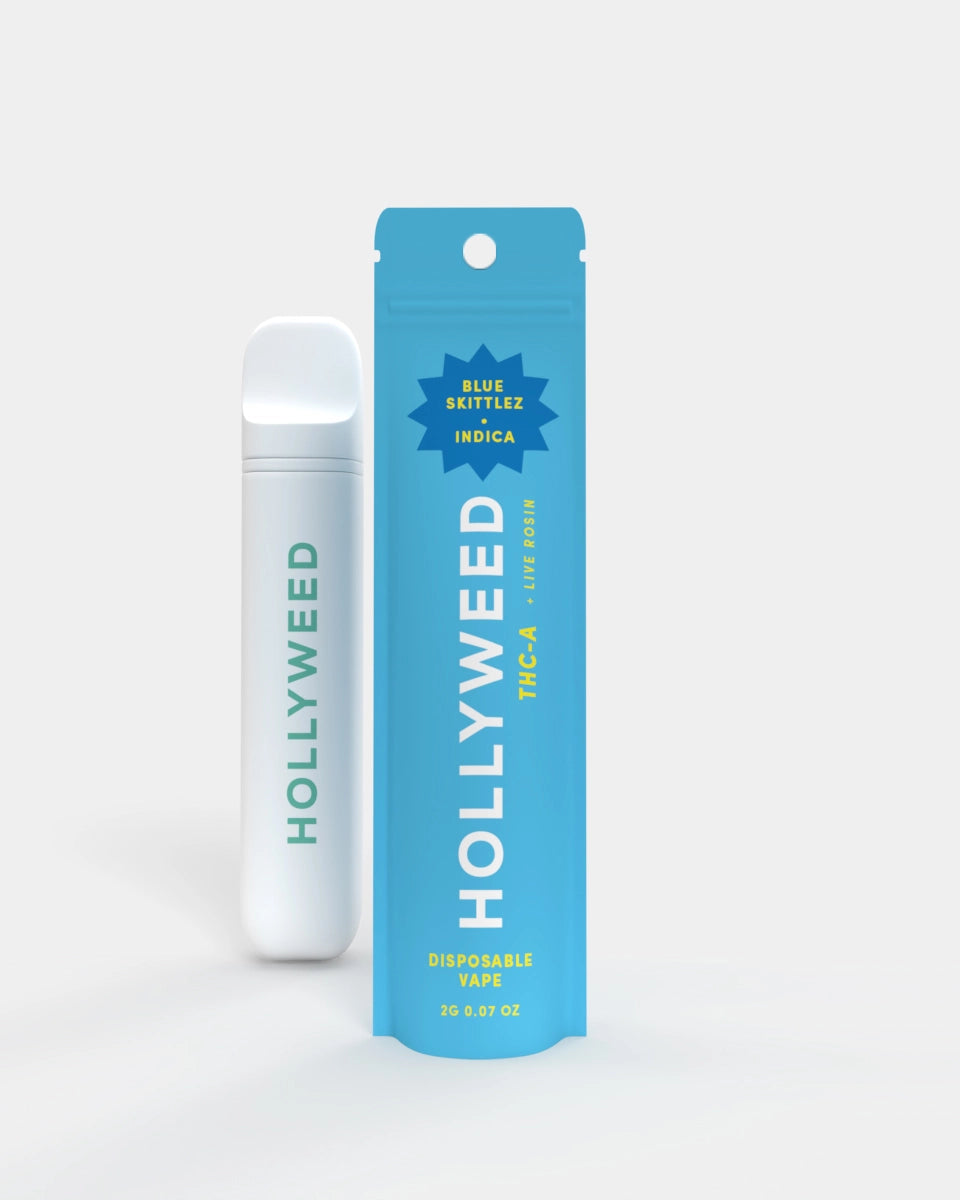
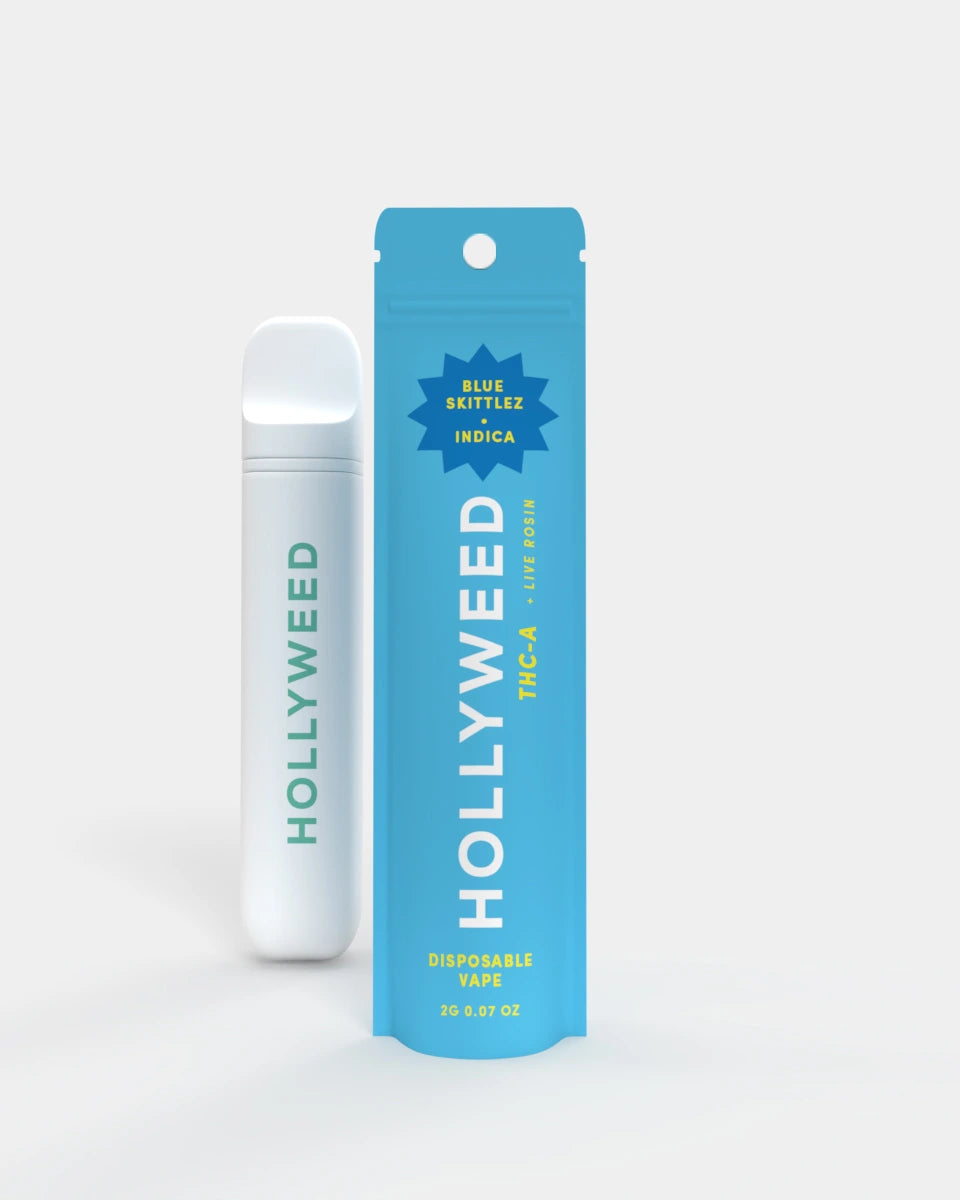
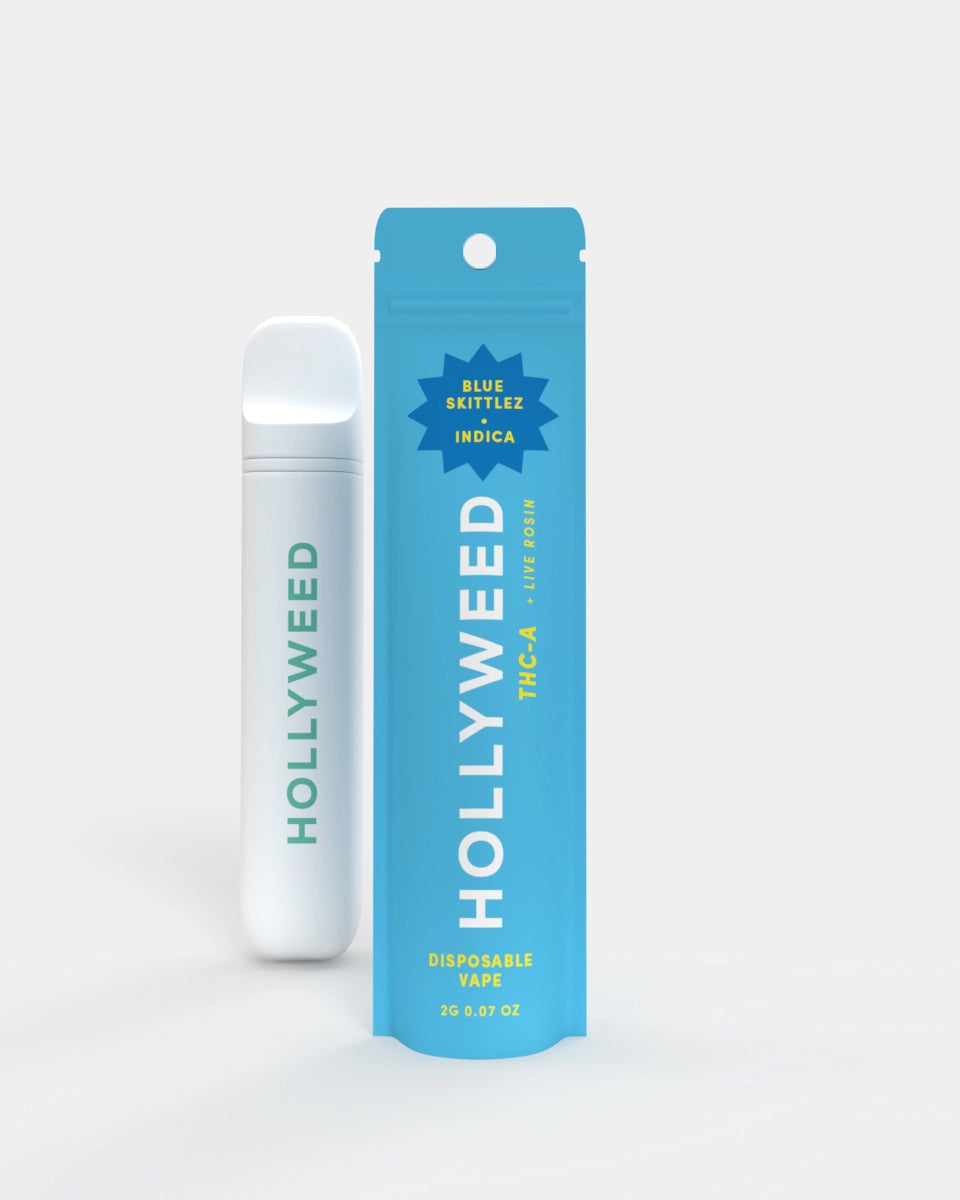
THCA Vape - Blue Zkittlez Strain | Indica -
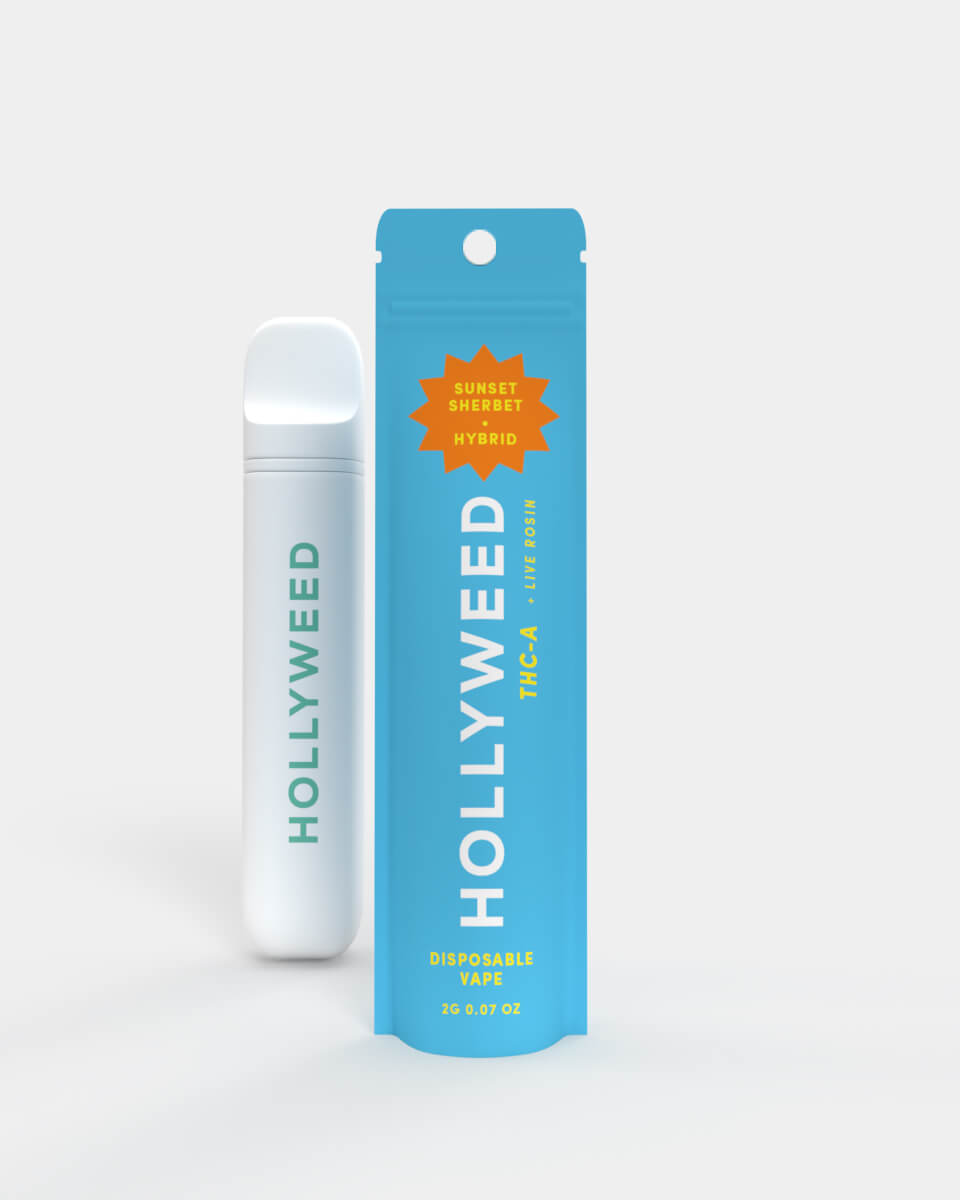
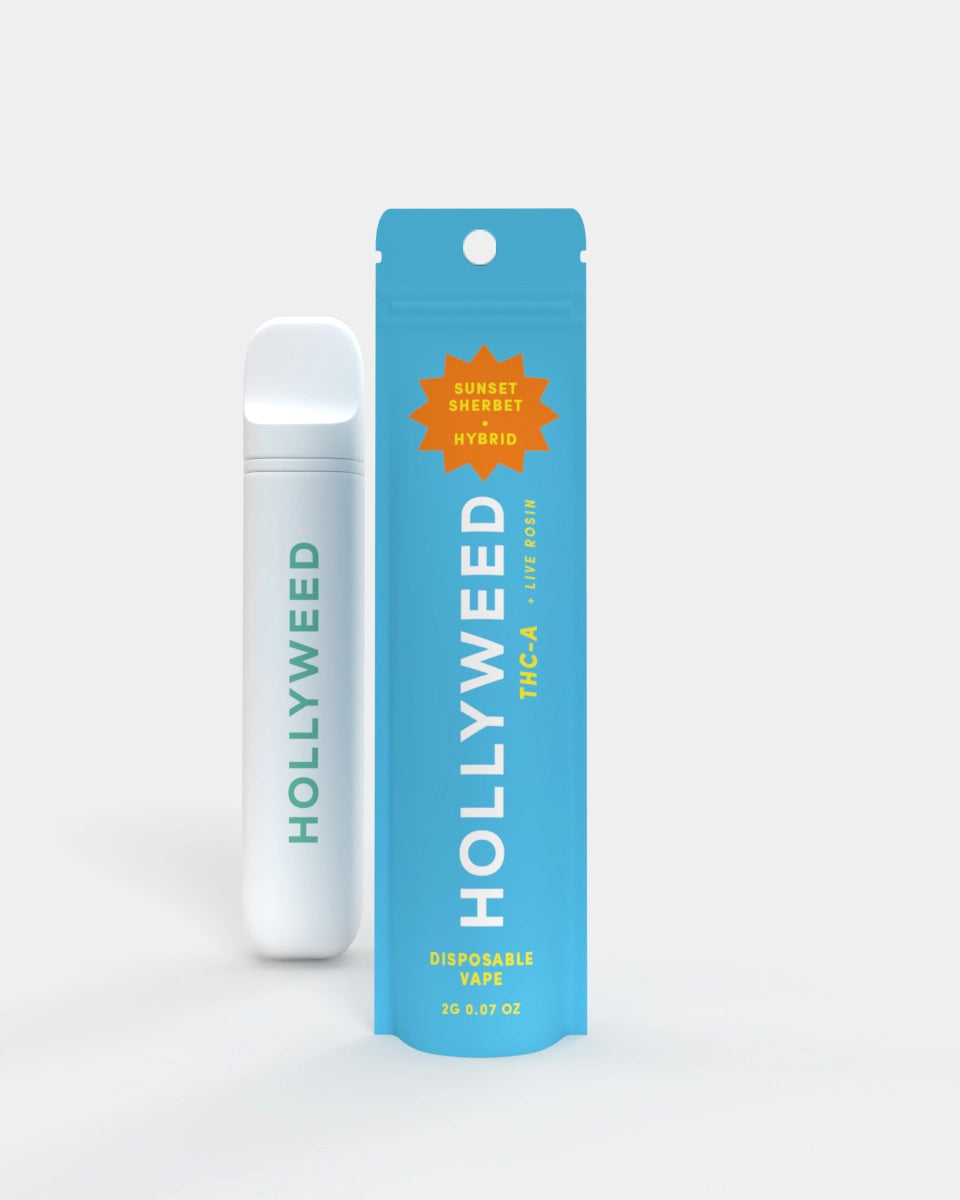
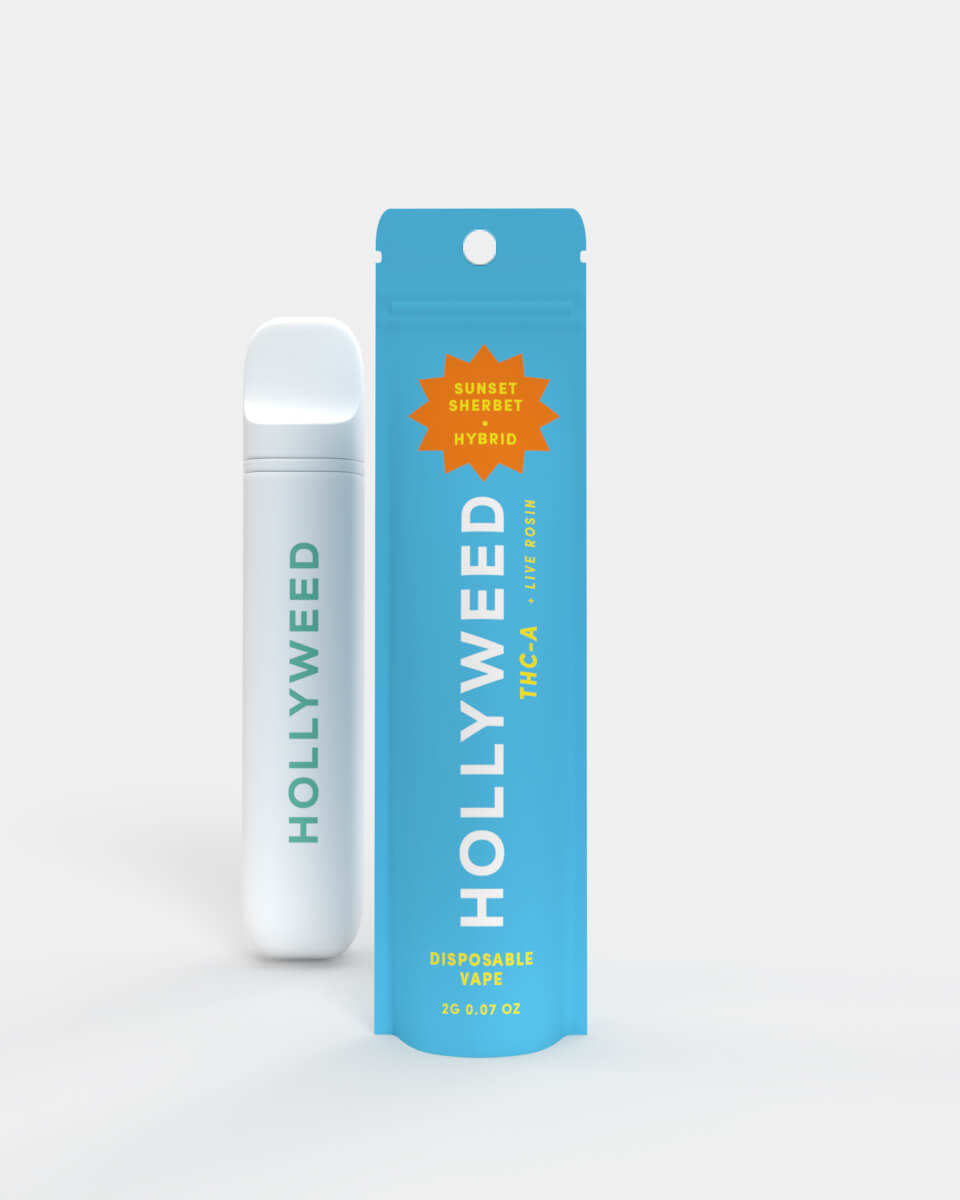
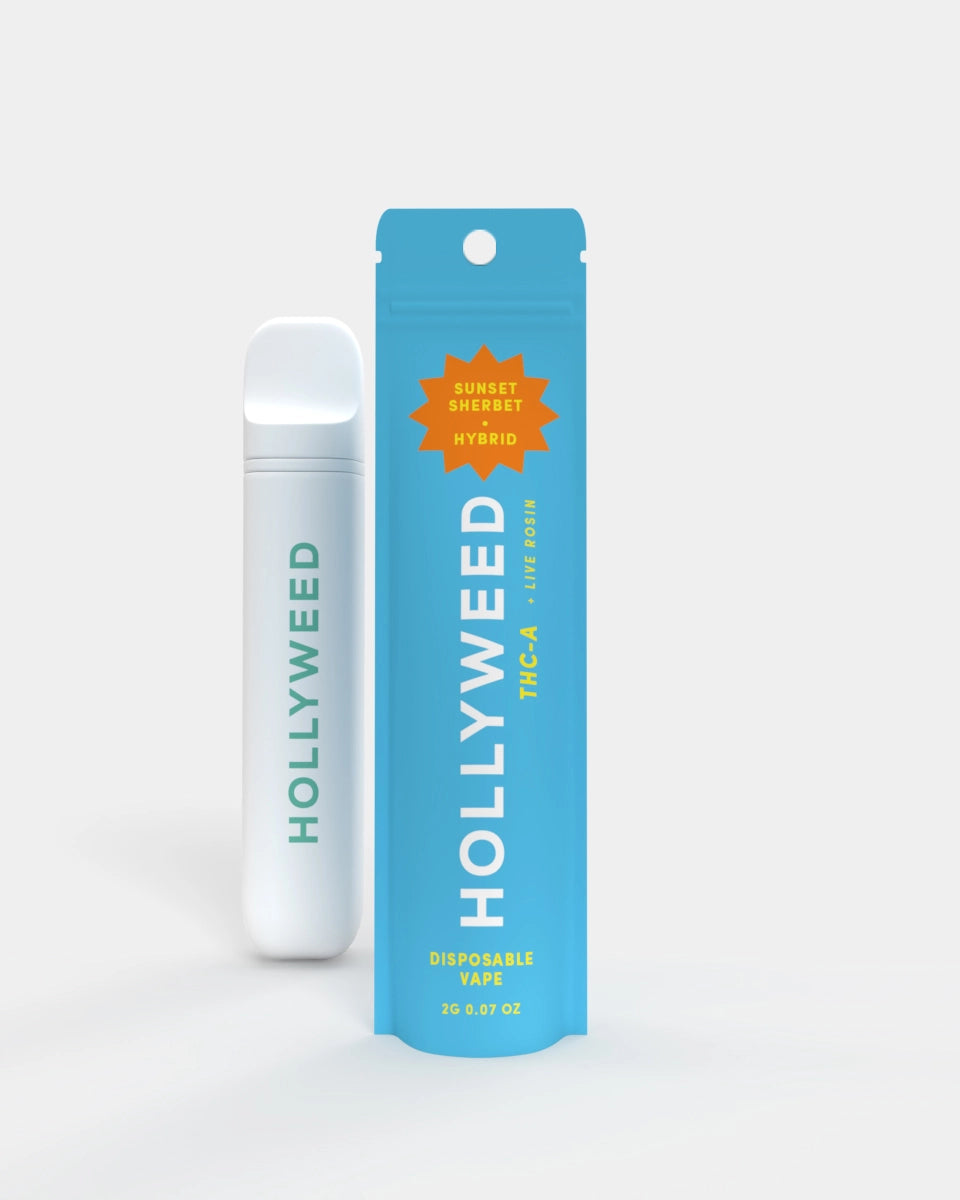
THCA Vape – Sunset Sherbet Strain (Sherbert) | Hybrid -
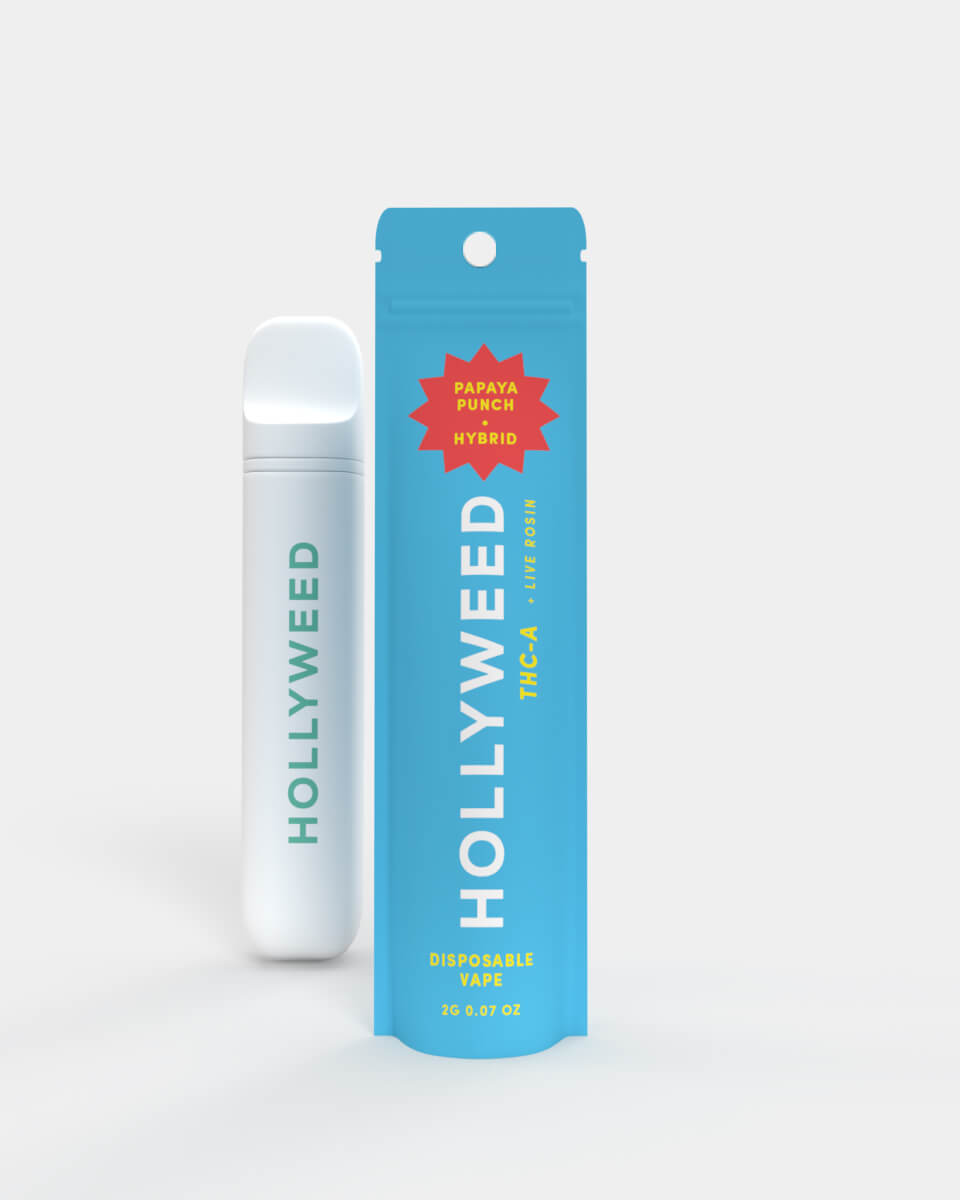
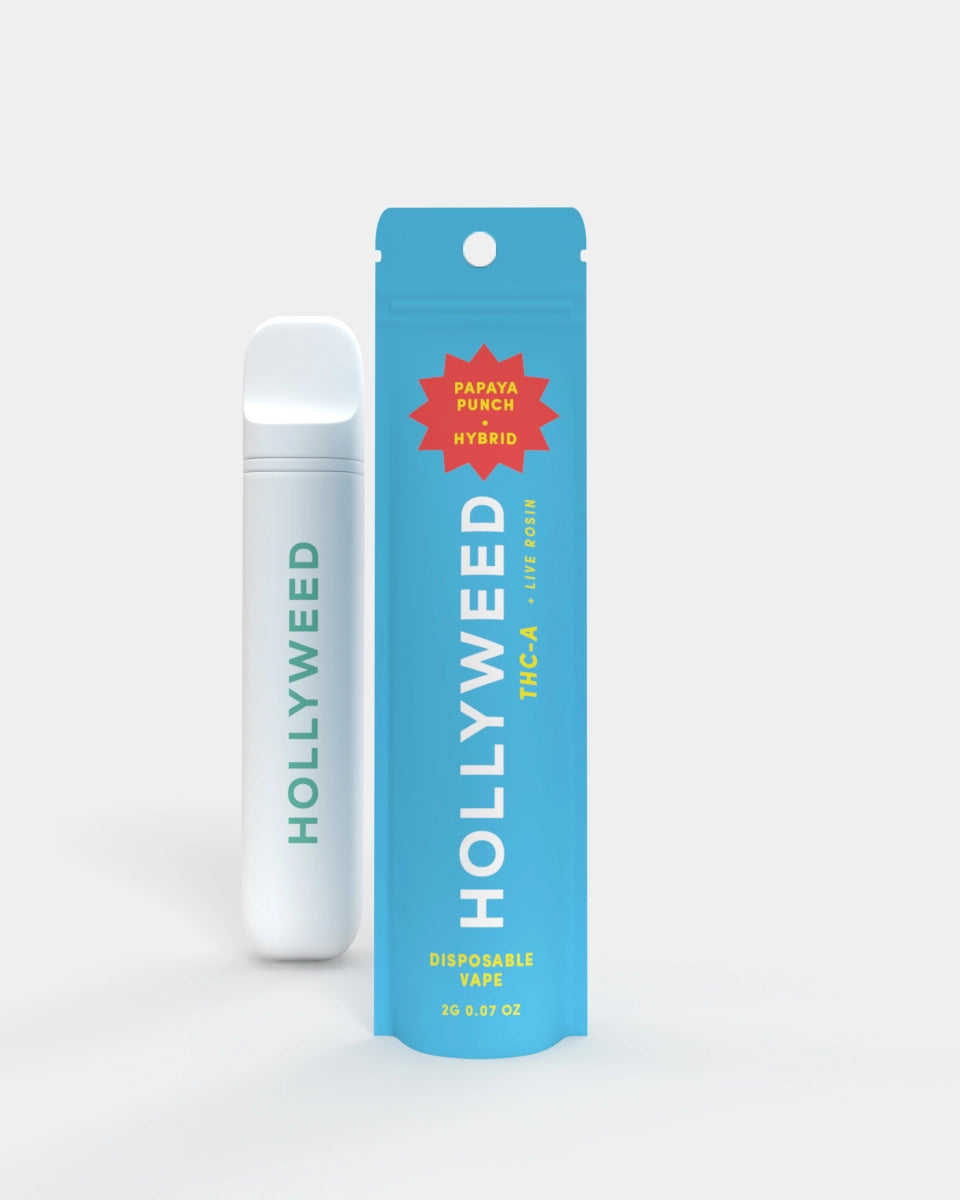
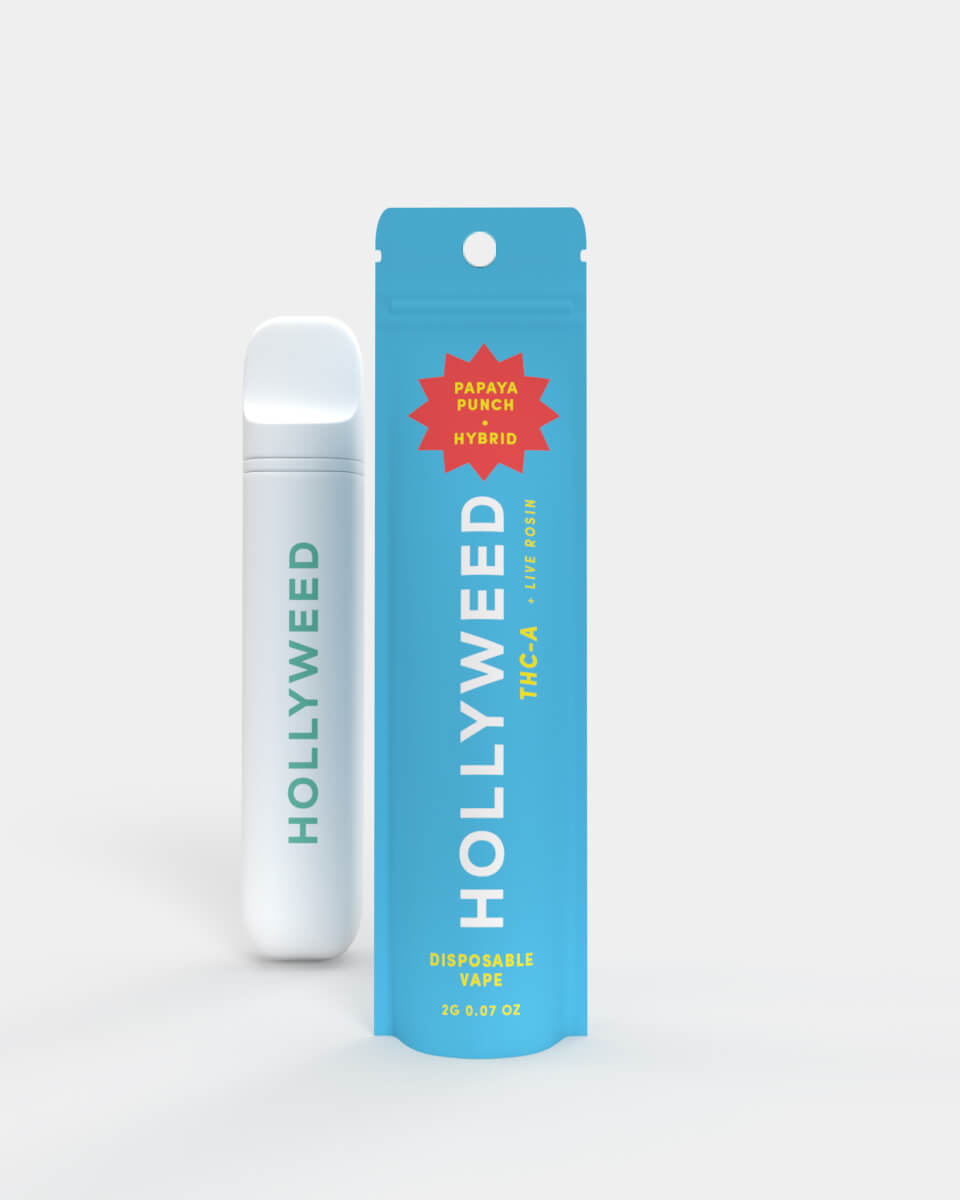
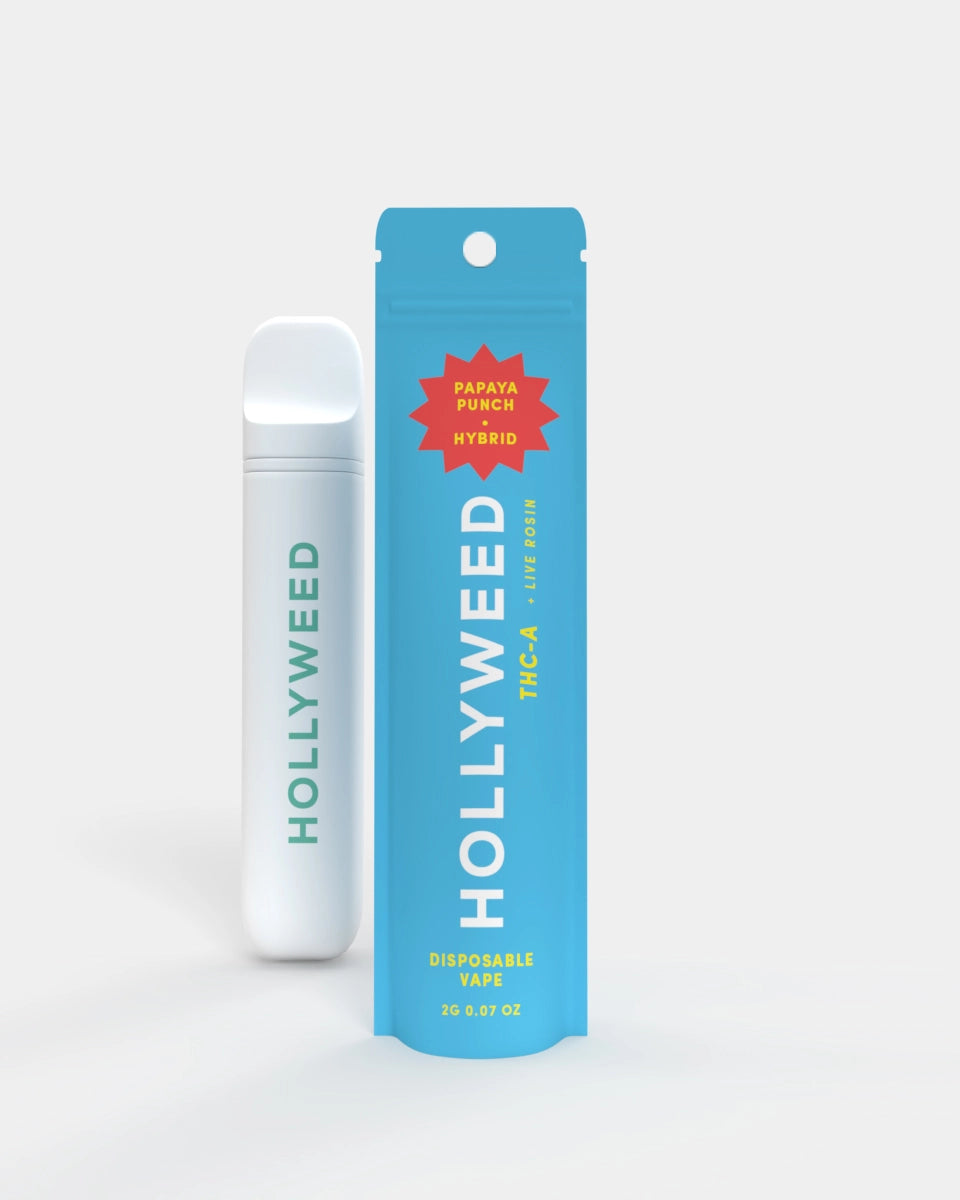
THCA Vape – Papaya Punch Strain | Hybrid -
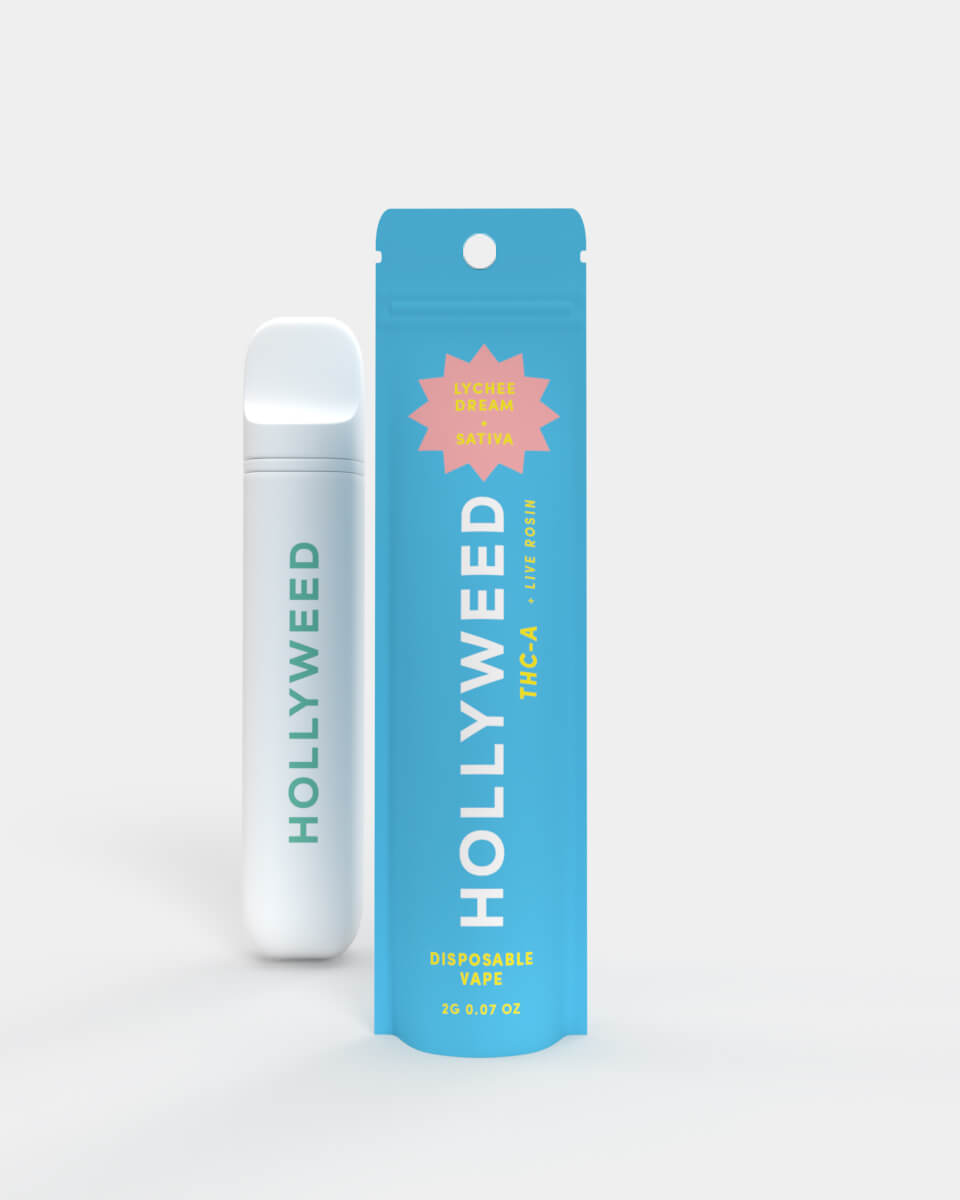
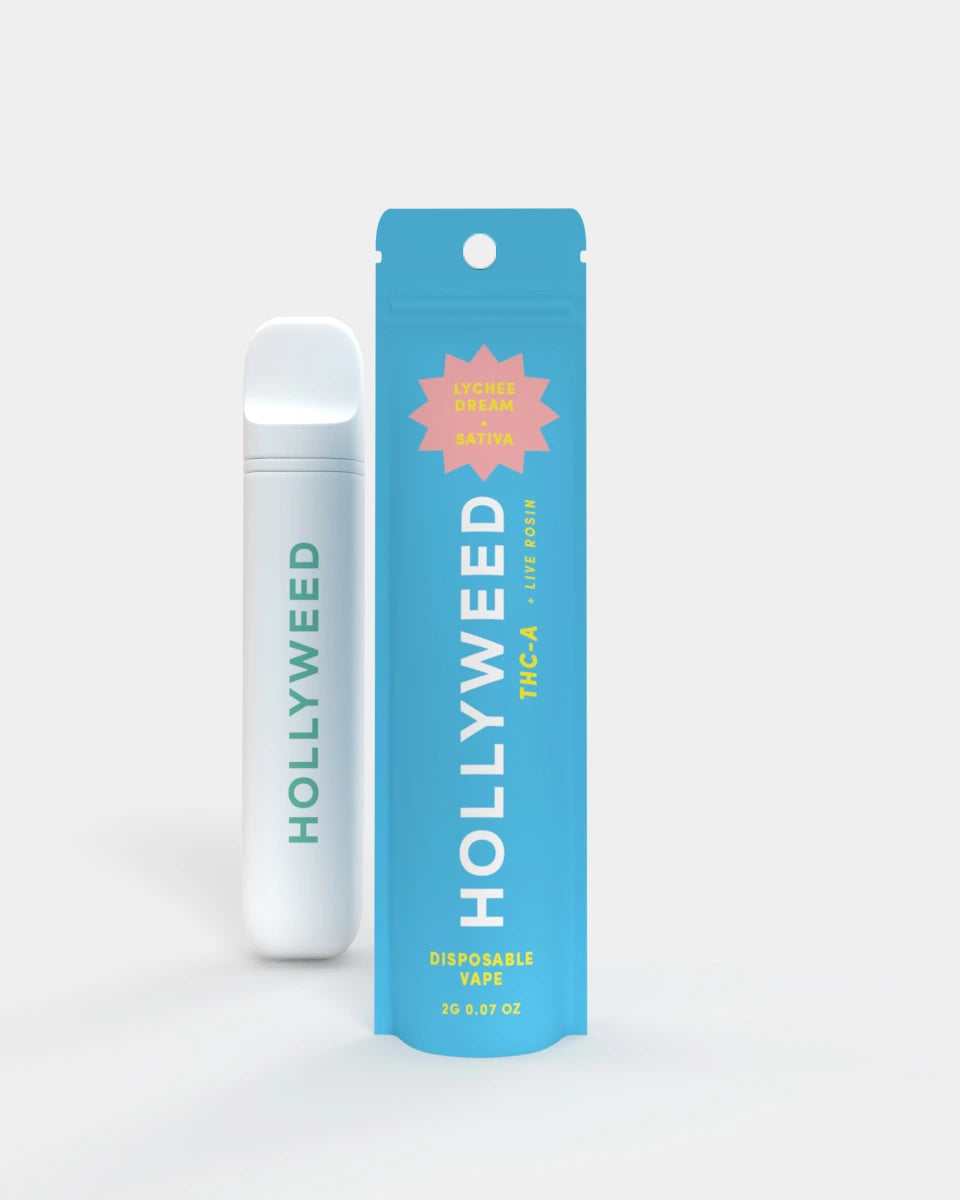
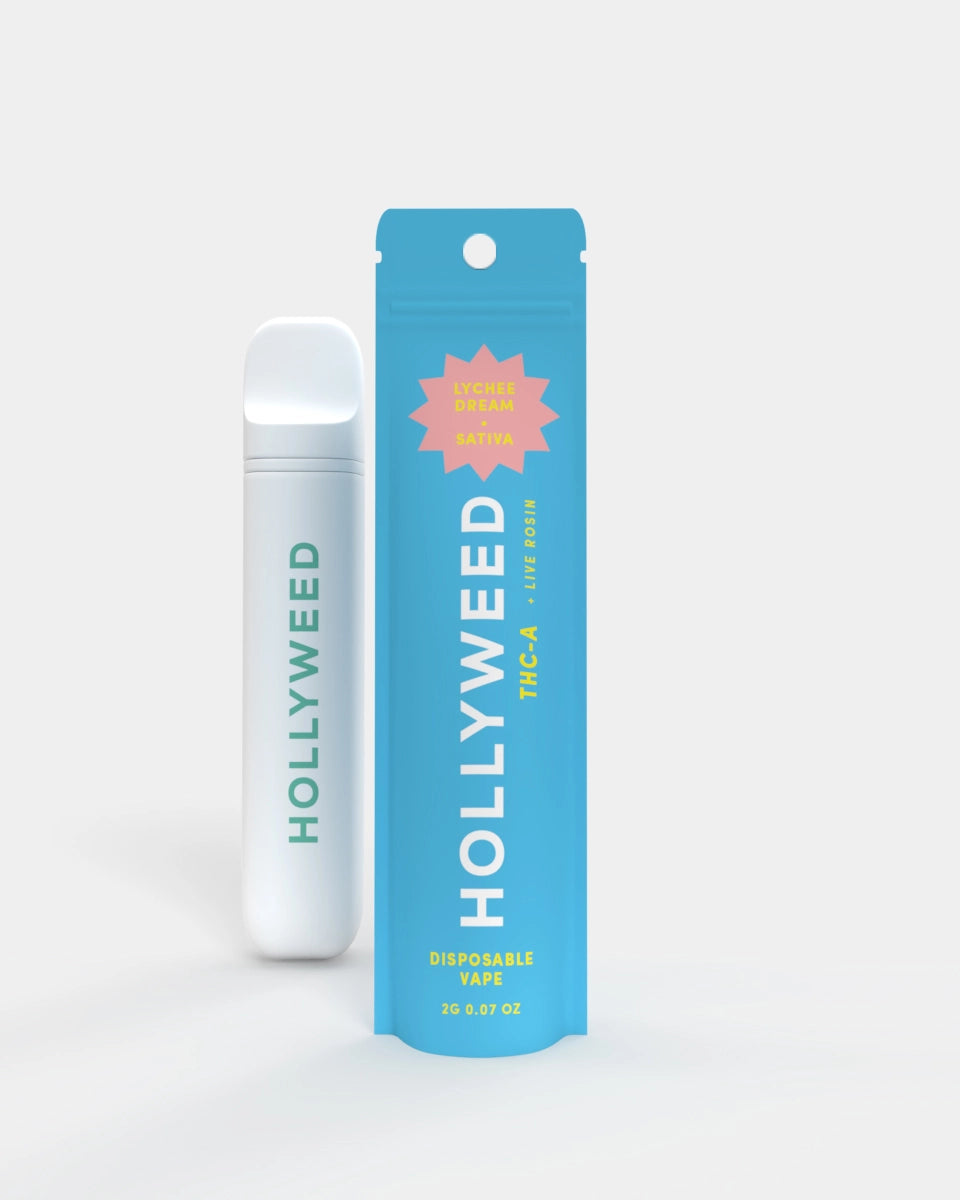
THCA Vape - Lychee Dream Strain | Sativa -
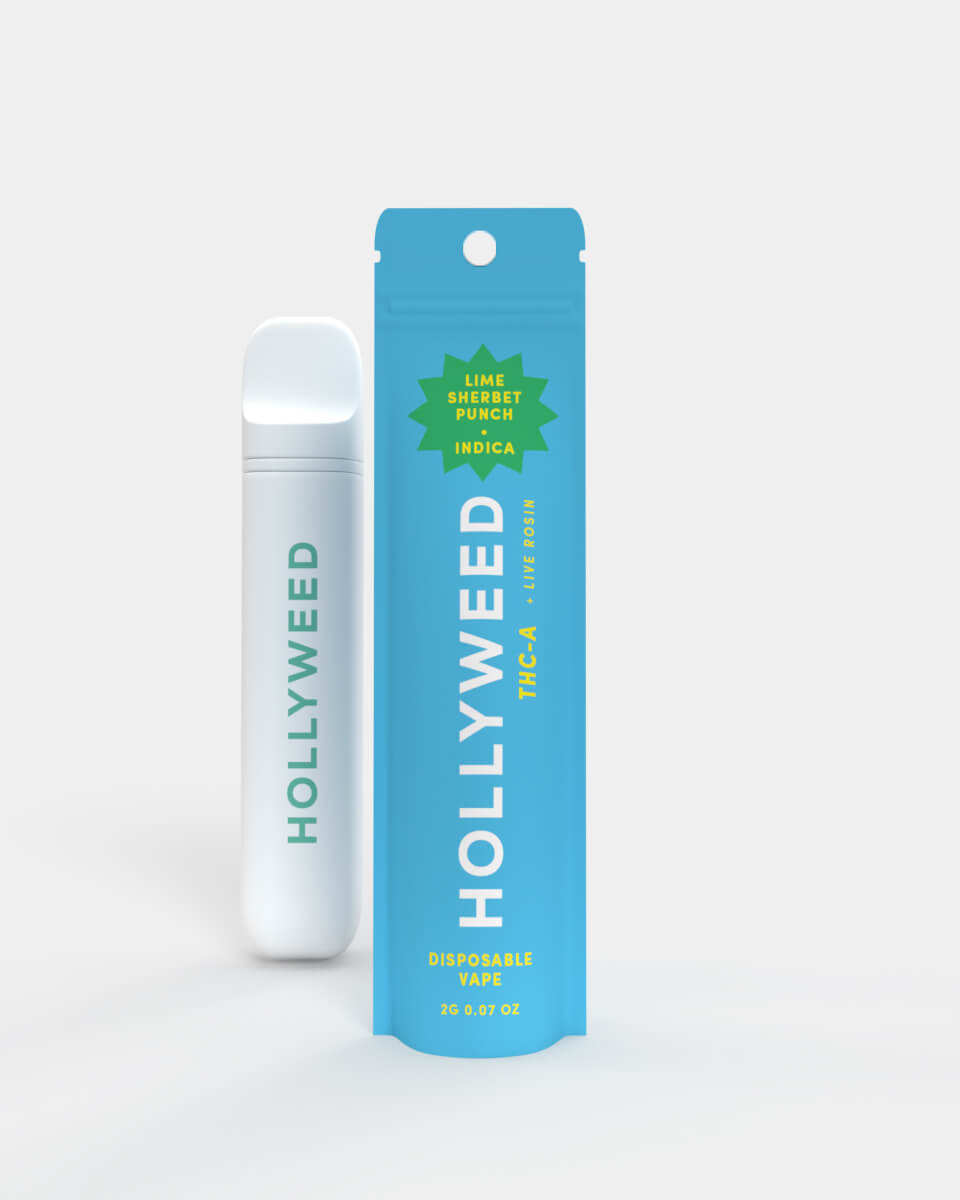
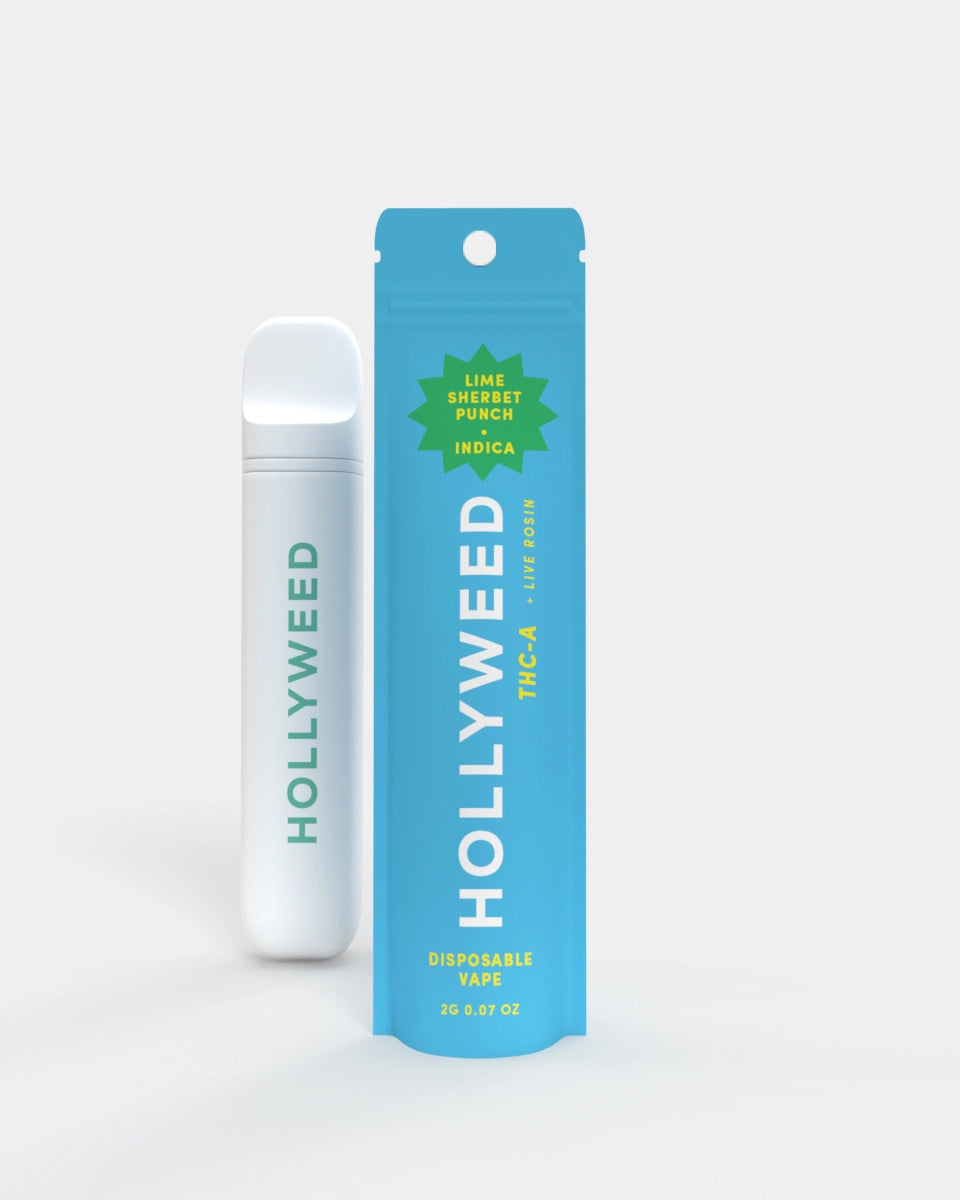
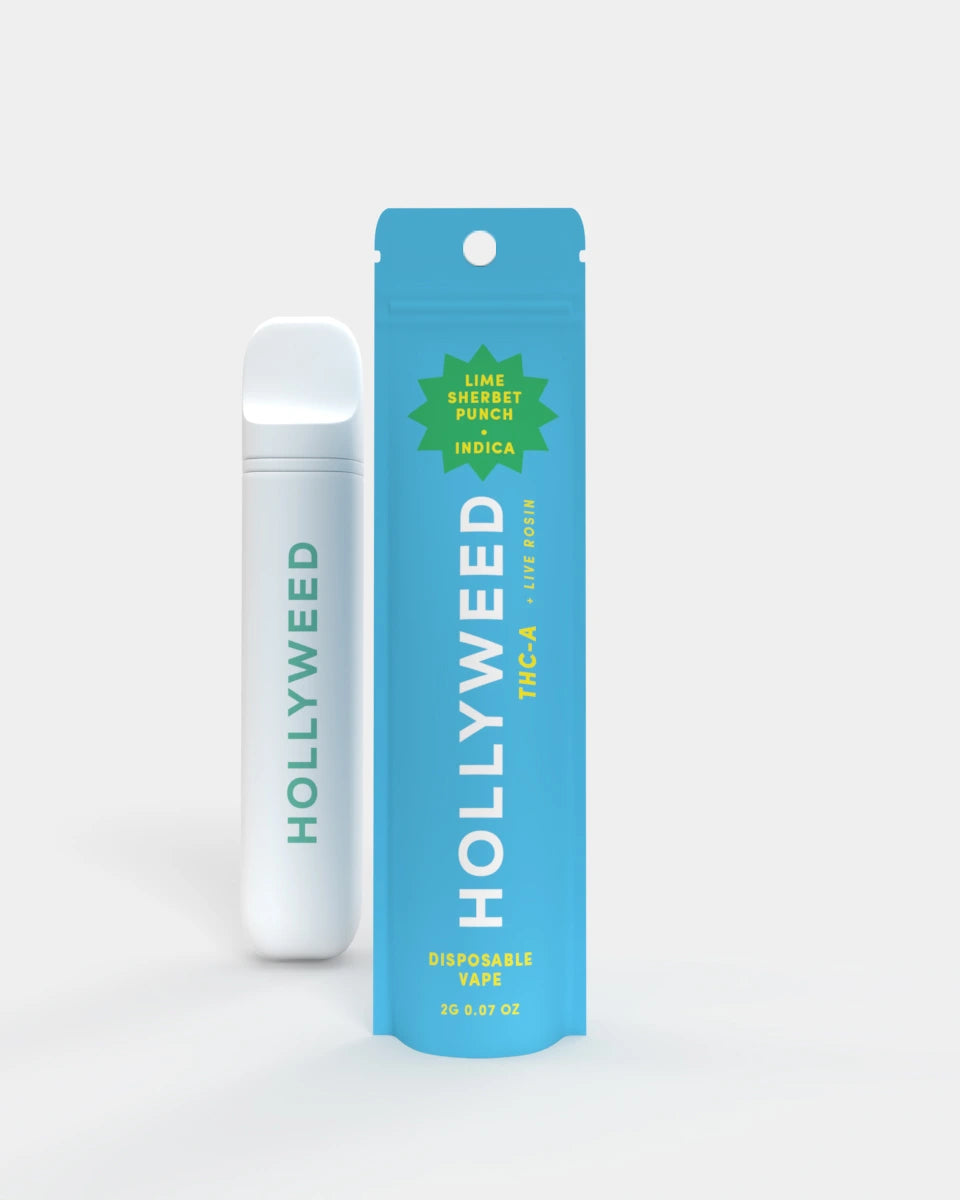
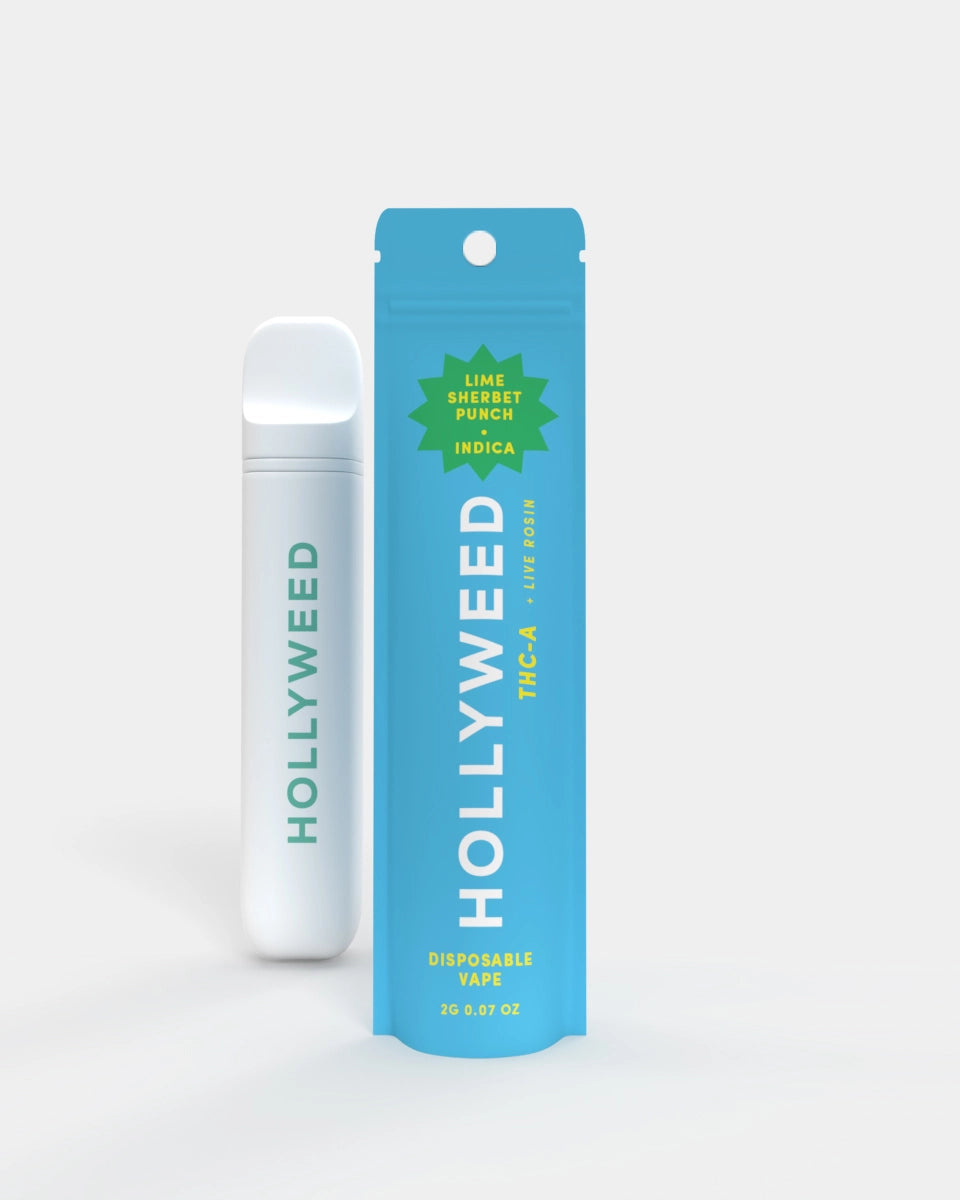
THCA Vape - Lime Sherbet Strain | Indica -
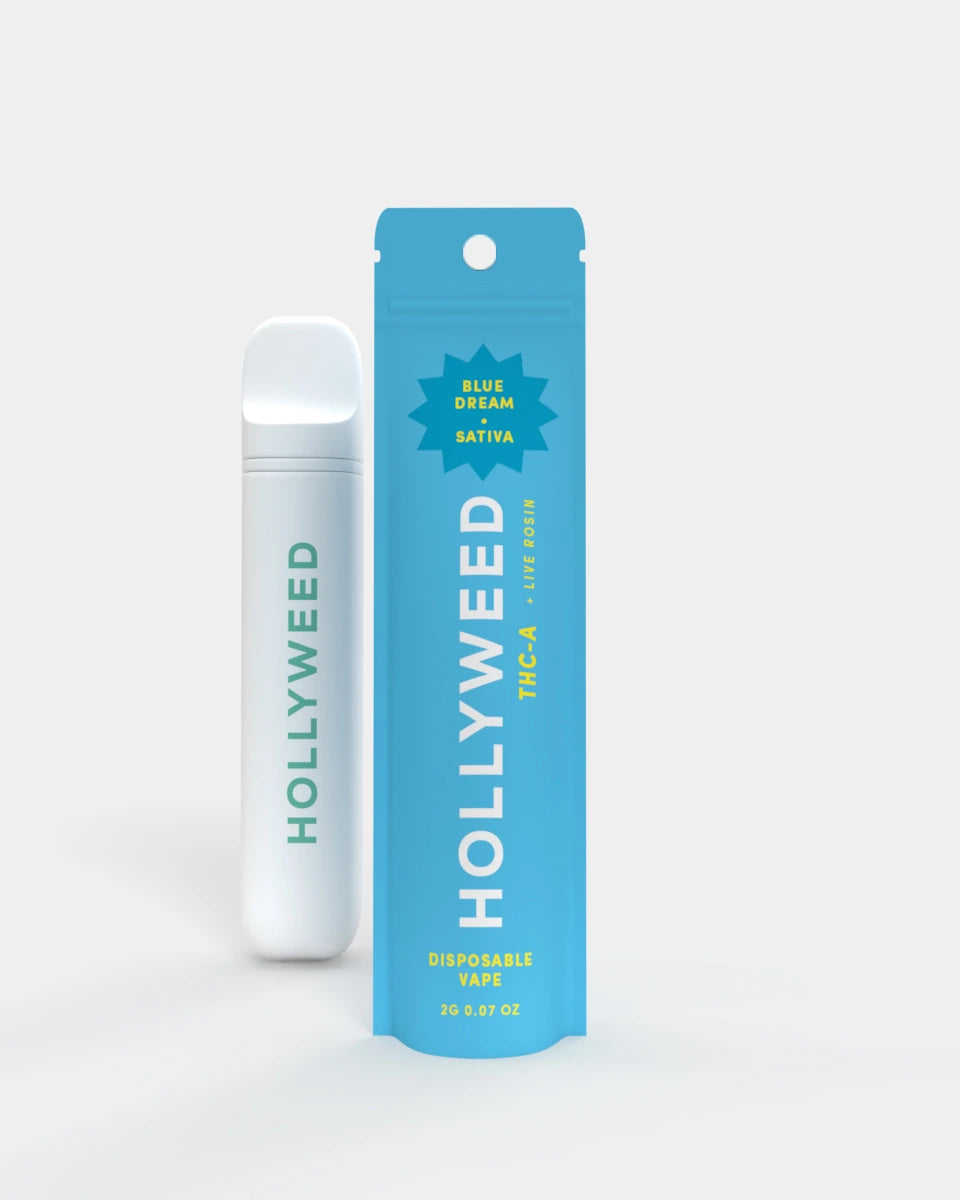
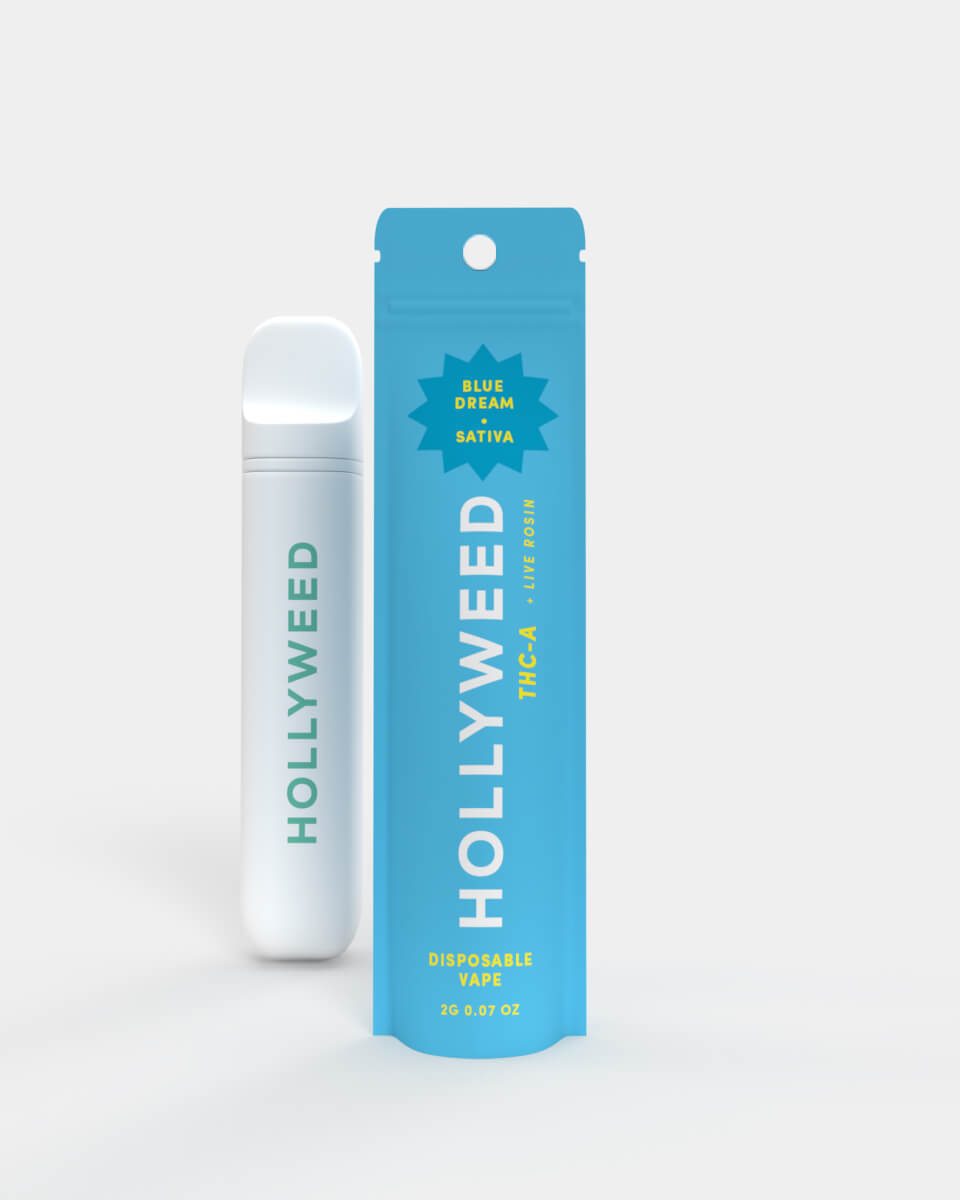
THCA Disposable - Blue Dream Vape | Sativa -
THC Gummies 1000mg | High-Dose Edibles -
2 Gram Cartridges | THC Vape Pens -
Liquid Diamond Cart | Premium THC Vapes -
Liquid Diamond Disposable | 2 Gram -
500 mg Edible Gummies | Delta-9 THC -
Stress Gummies -
Live Resin Cartridges -
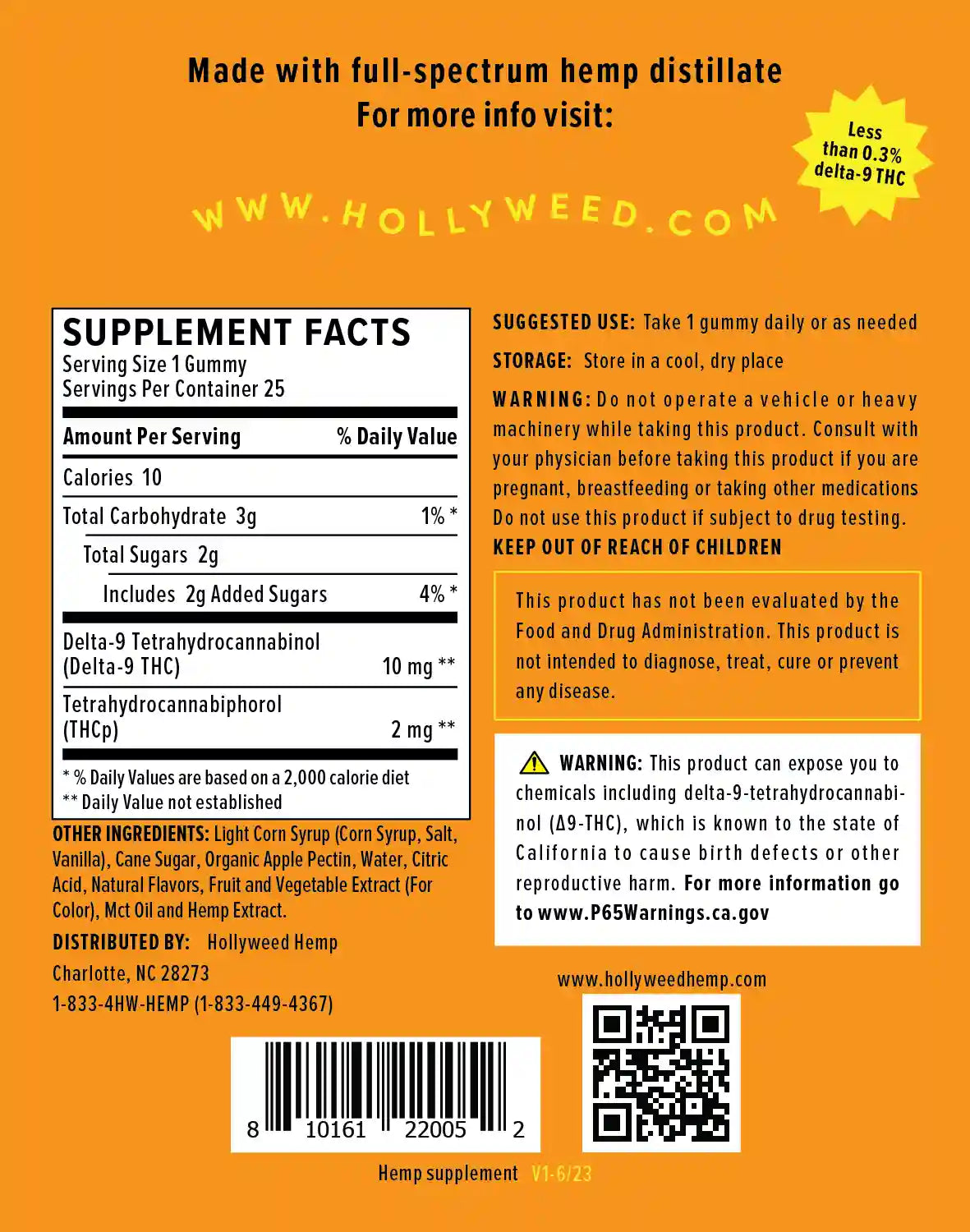
Sativa Gummies 10mg | Delta-9 + THCp + Live Rosin -
Live Rosin Disposables -
Hollyweed Festival Bundle (SAVE 30%)
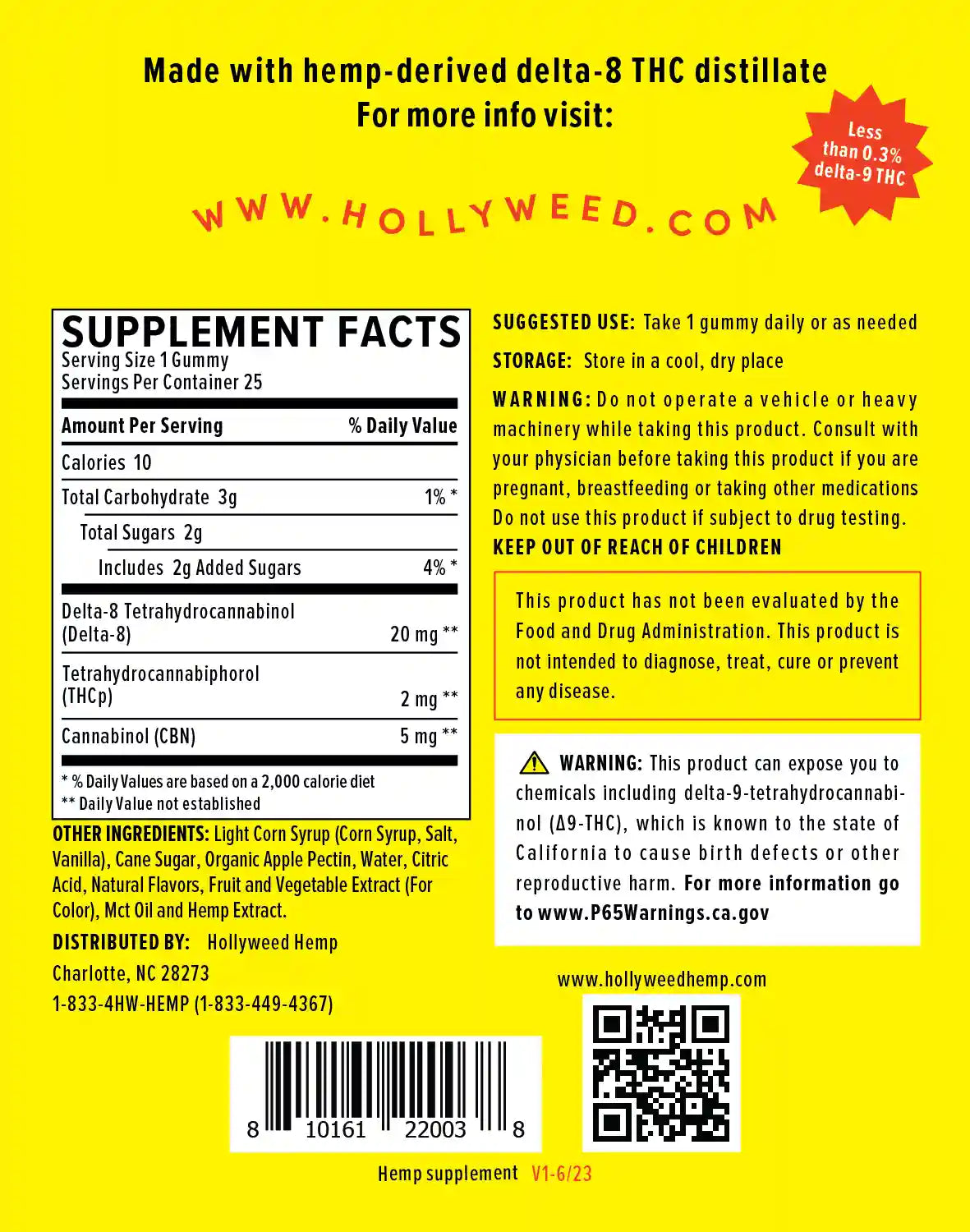
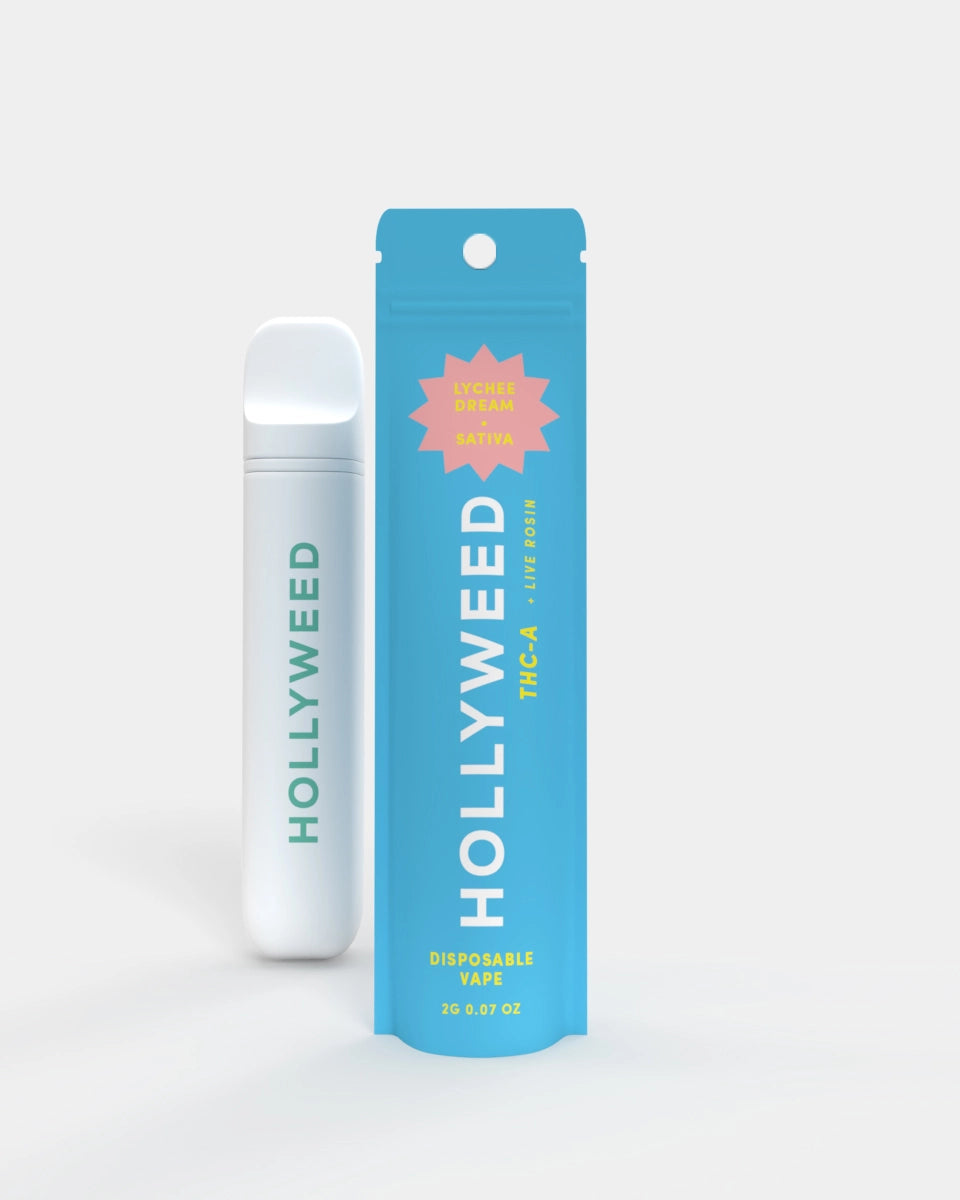
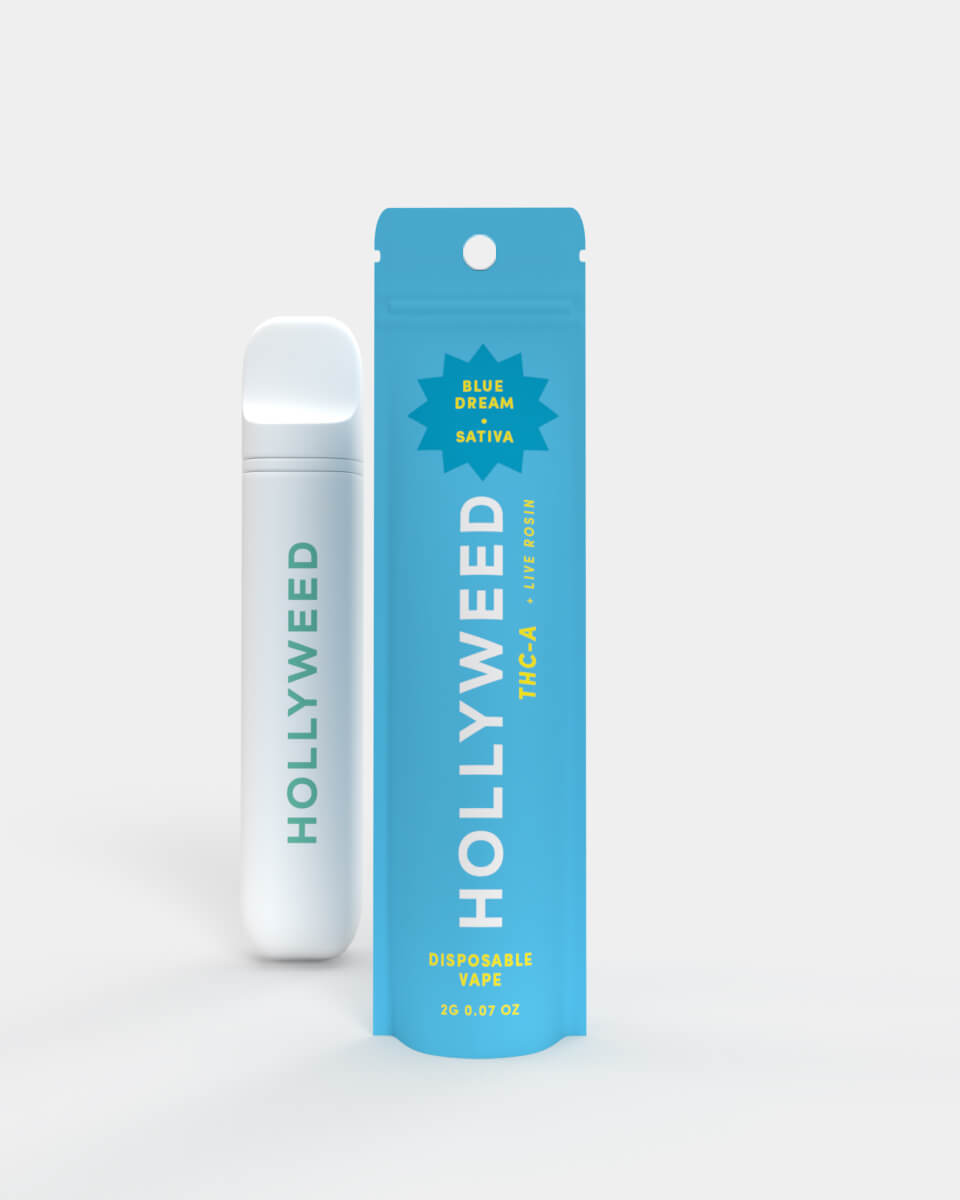

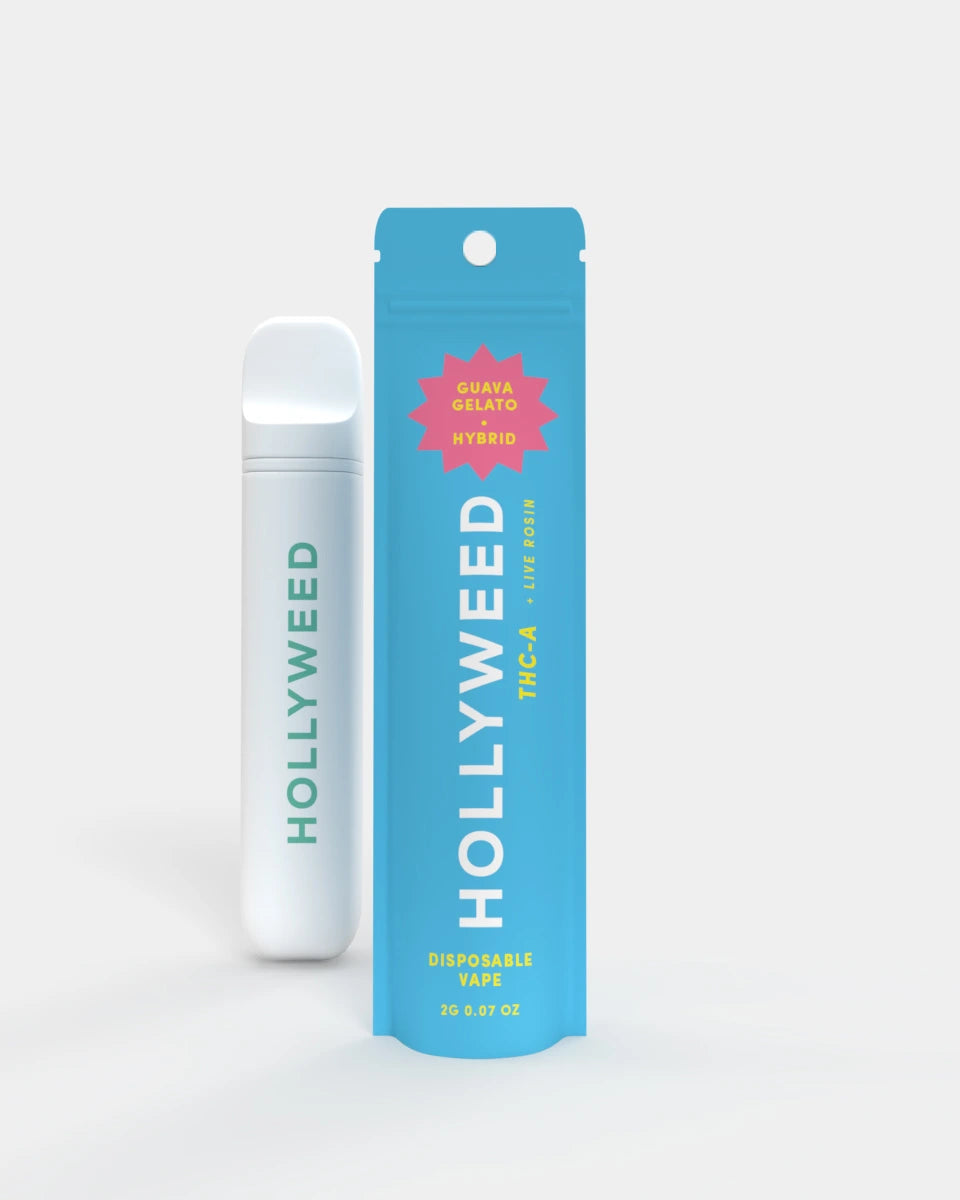

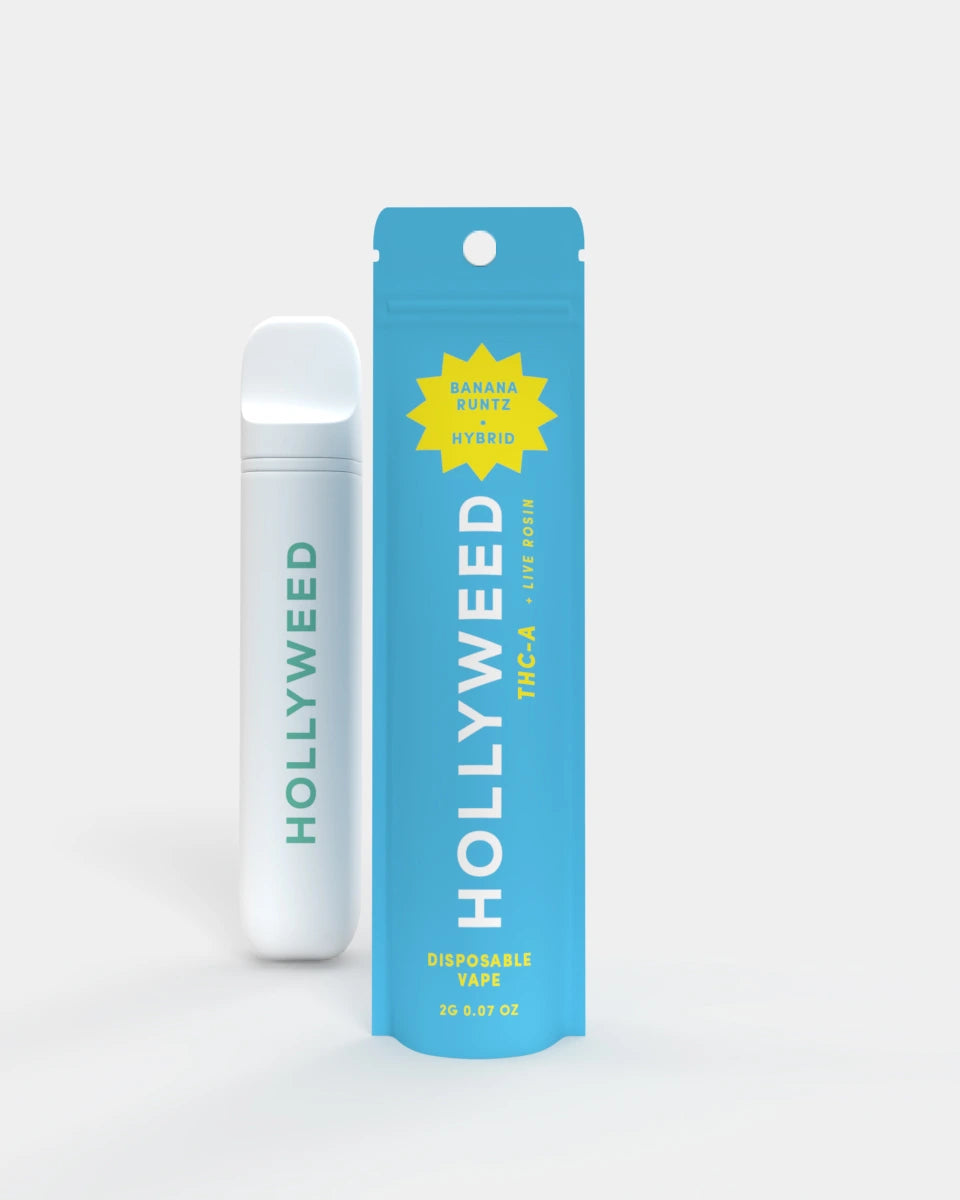



In recent years, cannabis research has uncovered a wide range of cannabinoids, each with unique effects on the human body.
Among these, THCP has emerged as a groundbreaking discovery, making waves for its potent effects and potential therapeutic benefits.
THCP is generating buzz due to claims that it is significantly more potent than delta 9 THC, the primary psychoactive compound in cannabis plants. But what exactly is THCP, and why is it considered the most potent cannabinoid?
What is THCP?
THCP (tetrahydrocannabiphorol) is a naturally occurring cannabinoid found in cannabis sativa that is chemically similar to traditional THC, the compound responsible for the plant's psychoactive effects. However, THCP is thought to be much more robust, potentially up to 33 times more potent than THC due to its longer alkyl side chain, which allows it to bind more effectively to the body's cannabinoid receptors. This increased binding affinity results in pronounced effects at lower doses, making THCP a subject of interest for both recreational and medicinal cannabis research.

"I’ve tried a lot of different cannabinoids, but Hollyweed THCP stands out. The powerful effects kick in quickly and last longer than expected. Truly a game-changer!"
— Angel M.
"The THCp products are next-level potent! The effects are stronger and longer-lasting than anything else I’ve tried. Highly recommend for experienced users!"
— MELISSA T.

What’s the Difference Between THC and THCP?
THCP is more potent than conventional THC, binding to CB1 receptors 33 times more strongly. Its extended chemical structure, specifically its seven carbon atoms in the alkyl side chain, contributes to its higher vivo cannabimimetic activity and potentially more powerful psychoactive effects.
What Are the Effects of THCP?
The effects of THCP are similar to THC but more intense. Users report stronger euphoria, relaxation, altered perception, and potential discomfort relief. However, due to its stronger affinity for cannabinoid receptors, THCP may increase the risk of more intense side effects like anxiety, dry mouth, or sedative effects.
How Does THCP Interact with the Body's Endocannabinoid System?
THCP’s interaction with the body's endocannabinoid system (ECS) is what sets it apart from other cannabinoids. Thanks to its stronger affinity for CB1 receptors, THCP binds more effectively, triggering more intense psychoactive effects compared to conventional THC.
The seven carbon atoms in THCP’s alkyl side chain give it this higher affinity and make it the most potent cannabinoid currently known. This binding activity not only intensifies the experience but also opens up potential medicinal applications for discomfort relief and relaxation. Early scientific reports suggest THCP could have pronounced effects even in lower doses due to its vivo cannabimimetic activity.
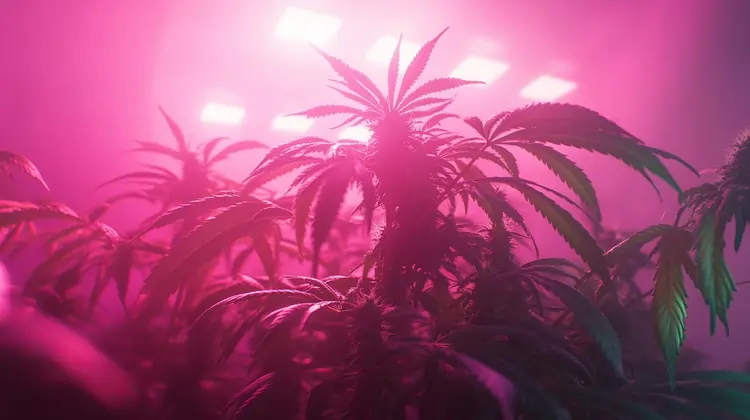
How Do Cannabinoids from the Same Cannabis Plant Differ?
Here are some of the more well-known cannabinoids produced by cannabis sativa:
- cannabidiol (CBD)
- delta-9 tetrahydrocannabinol (THC)
- cannabigerol (CBG)
- cannabichromene (CBC)
- cannabinol (CBN)
And the latest discovery...
- delta-9 tetrahydrocannabiphoral (THCP)
These cannabis compounds initially share a similar chemical structure and acidic composition before undergoing decarboxylation (heating).
The process is more challenging for THCP because there’s much less of it to decarboxylate. However, scientists have developed methods to extract it from hemp-derived cannabinoids.
What Are the THC, CBD, and THCP Levels in Cannabis?
In cannabis sativa L, the levels of THC, CBD, and THCP vary widely:
- THC: Typically ranges from 0.3% to 30%, depending on the strain.
- CBD: Varies from less than 1% to over 20%, with CBD-rich strains generally containing lower THC.
- THCP: Exists in very low concentrations, typically in trace amounts.
Is THCP Legal?
THCP is federally legal in the United States if derived from legal hemp plants, containing less than 0.3% delta 9 THC. However, its legal status may vary by state, so always check your local regulations.
THCP and Drug Testing: What You Should Know
Although THCP is present in low concentrations in the cannabis plant, it still has the potential to show up on standard drug tests. Because THCP binds more strongly to CB1 receptors, and shares a similar chemical structure with delta 9 THC, it’s likely that it may be detected in tests that look for THC metabolites.
Despite being derived from legal hemp plants, the presence of even trace amounts of THC-related compounds could raise concerns for consumers, especially in areas where cannabis remains restricted. Understanding the legal status of THCP and checking local regulations can help avoid complications.